Search Results
78 results for “parrot heat”

Blood Parrot Cichlid Care: Ideal Water Temperature and Husbandry Guide
Blood parrot cichlids are colorful tropical aquarium fish. Keep the water stable at 25–28°C (77–82°F), maintain a slightly acidic pH of 5.5–7.0 with frequent partial water changes, feed a balanced diet of pellets plus occasional disinfected live foods, provide moderate lighting, ensure strong aeration, and watch for common illnesses like saprolegniasis and ich.
Parrot hiding in a corner, panting and blinking rapidly
A parrot panting in a corner may have a cold or may simply feel too hot. A cold blocks the nostrils and causes labored breathing, while heat makes it open its beak to dissipate warmth.
How should a parrot be fed daily for proper nutrition?
A parrot's diet should be balanced. Use grains like millet, corn, and buckwheat as staples, plus fresh vegetables and fruit for vitamins and minerals. Pellets are very nutritious, and in winter or breeding season add cooked meat protein and fatty nuts in moderation.
What happens to blood parrot fish if the water temperature is too low?
Blood parrot fish need warm water; below 20 C activity and appetite drop, below 15 C they easily fall ill and may die. The best range is 25-30 C (ideally 28-29 C). Use a heater when cold, reduce light or use a chiller when hot.
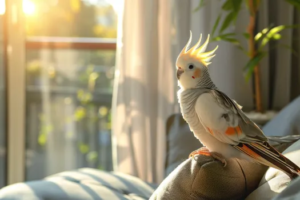
How to Feed a Newborn Parrot
Newly hatched parrots should be fed a fine, evenly textured parrot hand-feeding formula every 2-3 hours, with small portions to avoid digestion problems. Keep the brooder warm (28-32C), quiet, and clean, and watch closely for any sign of illness.

Why Do Blood Parrot Cichlids Cluster and Rest at the Bottom?
Blood parrot cichlids huddling motionless at the bottom may just be settling into a new home, or it can signal illness, low temperature, or poor water. Give newcomers quiet time, raise the temperature to 28–30°C if it's cold, and for enteritis do a full water change with oxytetracycline/gentamicin baths plus added vitamins.
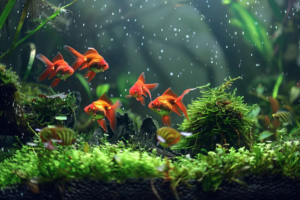
Which Fish Are Suitable Tank Mates for Goldfish?
Goldfish are gentle and adapt well, suiting schooling and dense keeping with small, weak-competing fish like guppy, tetra, moonfish, angelfish, and blood parrot. Avoid large or strong feeders that outcompete the clumsy goldfish, or it may starve. Ensure space, oxygen, and stable warm temperature for tropical mates.
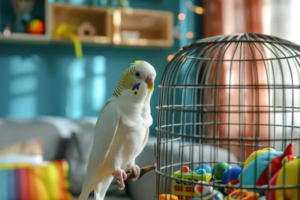
How to Care for a Lovebird
Use a sturdy metal cage (not wood - they chew and may escape), line the bottom with shavings or sand, and feed a balanced pelleted diet plus grains, fruit, and vegetables (avoid avocado and sugary or fatty human food). Feed by age - newborns every 1-2h, adults once daily - and change food and water daily. Give cooled boiled water in a shallow dish and keep them cool.

Why Is My Budgerigar Shivering?
Budgies hide illness well, so visible shivering means real trouble. It is usually cold - they are tropical and weak against chill - or a chill after a draft or a wet bath. Warm and insulate, and do not guess blindly at treatment.

Jenday Conure
The Jenday Conure (Aratinga jandaya), also known as the Jendaya Conure, is a typical climbing bird with an almost entirely green body. Not particularly introverted, it is mainly distributed in Brazil and is a lively, social small parrot.