Search Results
78 results for “parrot heat”
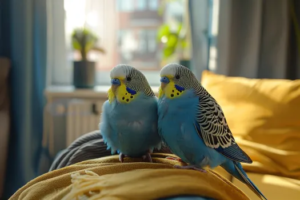
Are Parrots Sensitive to Summer Heat?
Parrots come from tropical and subtropical regions and tolerate warmth, but above about 35°C they can overheat, showing rapid breathing, wings spread wide, fluffed feathers, and a thirst for water. Dehydration and heatstroke are real risks, so keep the cage cool, shaded, and well supplied with water and moisture-rich food.
What does heatstroke look like in a parrot?
A parrot suffering heatstroke shows restlessness, open-beak panting, rapid breathing, and a rising body temperature. Severe cases bring weakness, drooping wings, twitching, and even death within minutes. Necropsy reveals brain congestion and edema.
Are parrots afraid of heat?
Parrots tolerate heat but best at 15-26 degree C; above 35 degree C they can overheat or die. Shade them, provide water for bathing, and keep the cage ventilated.
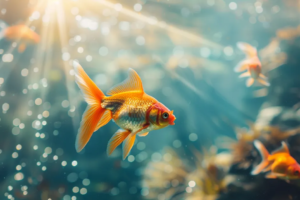
How to Care for Blood Parrot Cichlids
Blood parrot cichlids are easy for beginners, but stable, dechlorinated water and measured feeding make the difference. Keep temperature at 25–29°C, feed only what they finish in five minutes, and add astaxanthin for that signature red.
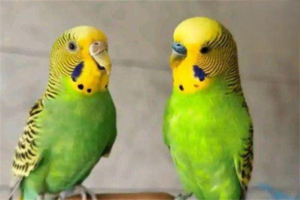
Can Parrots Get Stressed? (and How to Prevent It)
Yes — parrots feel stress, and chronic stress weakens their immune system, dulls their appetite, and can even lead to self-harm or attacks on cage-mates. Stress rises with poor care, unmet needs, fear, over-handling, or predators like cats and rats. Ease it with a safe, quiet, well-protected space, steady food and water, hideouts, and room to move.

Why Is My Blood Parrot Cichlid Lethargic?
A blood parrot cichlid that stops swimming is usually reacting to unstable or low water temperature (keep it a steady 25–32°C, with water-change swings under 0.5°C), poor water quality, fright, or low oxygen — they need more air than most fish, so run an air pump 1–2 hours a day. Hold the temperature steady, filter and change water on a sensible schedule, keep the tank quiet, and treat parasites and bacteria regularly to keep the fish active.

Eight Key Care Points for Pet Parrots
Eight care points keep a pet parrot healthy: disinfect the cage and perches often and keep them dry, avoid dirty or unsuitable food, prepare the diet without oil or seasoning and cool cooked food to room temperature, wash fruit and vegetables in a salt-and-lemon soak, hold a steady aviary temperature, clip wings sensibly to prevent escape, guard against heat (over 37°C can be fatal), and train regular, timed feeding.
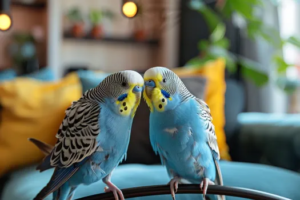
Seasonal Feeding Requirements for Parrots
Parrot diets should shift with the seasons: cut fatty foods and add greens in spring to prevent heat and obesity, keep food fresh and boost protein during the summer molt, build fat reserves in autumn, and raise protein and fat in winter to survive the cold. Matching feed to climate and the bird's condition is what keeps a parrot healthy year-round.
What to Do When Blood Parrot Cichlids Fight and Lose Scales, Exposing Flesh
When blood parrot cichlids fight, they tear off scales and can expose raw flesh, which invites infection. Isolate the injured fish and treat it with a 2–3% salt bath plus antibacterial or 'yellow powder' medication, keep the water at 28–30°C, and change it every three days. To stop the fighting, give more space, feed more, or separate the bullies.

Treatment and Care for Psittacosis (Parrot Fever)
Psittacosis causes watery diarrhea, poor appetite, and lethargy in birds, and is risky for chicks. Adults may recover. Learn the medication and nursing care.