Search Results
831 results for “outdoor”

How to Safely Cuddle Your Cat and Stay Healthy
Cuddling and nuzzling a cat - playfully called "sniffing the cat" - is a way owners show affection, and cats are uniquely cuddle-friendly because they barely smell. Unlike dogs, whose whole-body sweat glands make them rank without baths, a cat's scattered glands and constant self-grooming, plus sunbathing that kills bacteria, leave little odor. But close contact is not risk-free: diseases in cat feces or on the coat can pass to people. These include toxoplasmosis, cryptosporidiosis, and roundworm (mostly a kitten worry), plus Q fever from Coxiella burnetii, flea-driven skin allergies, and rarely rabies or hepatitis. Enjoy the cuddle, but wash up after, keep indoor cats' litter clean, and be extra careful if you are pregnant or unwell.

How to Tell If Your Dog Has Internal Parasites
Internal parasites in dogs often cause poor appetite, vomiting, diarrhea, weight loss, dull coat, and itching, and heavy infestations add anemia, rapid breathing, unsteady gait, seizures, or coughing. To confirm, a veterinarian can run a fecal exam, blood test, or imaging such as X-ray or CT to find eggs, larvae, or the parasite's size and location. Prevent infection with good hygiene, regular deworming, and not letting the dog eat waste or raw meat, and treat promptly with the right dewormer if infected.

Why does my dog have black spots on its skin?
Black spots on a dog's skin are usually harmless — they often appear with age as normal pigment deposits (age spots) from metabolic changes. They can also follow a skin infection that damaged the hair follicles, in which case the marks typically fade over time, or result from sunburn in short-coated dogs that spend a lot of time outdoors.

How to Care for Your Dog in Autumn
Autumn's cool, dry, changeable weather feels great to us but asks for a few adjustments in dog care. Fatigue from summer, dropping temperatures, and dry air all affect a dog's body, coat, and digestion. A few simple habits around food, grooming, exercise, and disease prevention keep your dog comfortable through the season.

Are Miniature Pinschers Easy to Care For?
The Miniature Pinscher is a lively, smart, gentle, and people-loving dog that experienced owners generally find easy to keep. It adapts well indoors yet still needs daily outdoor exercise to burn energy, or it may get into mischief. Its sensitive skin benefits from regular brushing and bathing, and routine vaccinations and checkups prevent disease. Pros include small size, high intelligence, loyalty, a mild temperament, little odor, and easy adaptability. Cons are a delicate stomach, cold sensitivity, and a loud voice. With a safe home, balanced diet, enough exercise, and regular parasite control and vaccines, a Miniature Pinscher thrives.

How to Care for Your Cat in Summer
Cats have thick coats and dislike heat, so summer care centers on safe cooling to prevent heatstroke. Move the bed to a cool indoor spot, offer a cooling mat, trim only the paw fur (never shave—UV then damages skin), and keep air flowing with a fan or AC set no lower than comfortable, avoiding big temperature swings. Cats shed heat through their paw pads, so shorter paw hair helps. Hydration matters because fast summer metabolism raises dehydration risk—encourage drinking. Feed fresh food in small portions and clear leftovers fast, since wet food spoils quickly in the heat. These steps keep a cat comfortable through summer.

When Spring Makes Your Cat Restless
In heat, a cat grows more active and clingy, reeking of pheromones no bath can wash away, yowling at night and spraying - hard for any owner. But during this time, do not lose your temper and lock it away; isolation can cause depression. Do not push away an over-affectionate cat either, or you hurt the bond. And never spay during heat: wait until it passes, because enlarged ovaries from mature follicles are hard to remove cleanly and the cat may escape and get lost. Keep it safe indoors.
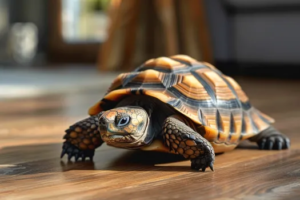
How to Care for a Hermann’s Tortoise as a Beginner
The Hermann's tortoise is a popular, beginner-friendly land tortoise, but new keepers still need to get the environment right. Aim for steady warmth—around 26–32°C by day, 18–21°C at night—using a thermostat to avoid swings, and keep humidity near 40–50%, adding moisture when the air is dry. Plenty of light matters: natural sun is best, while indoor setups need UVB and full-spectrum lamps to support appetite, digestion, and growth. Give the tortoise room to roam plus a hide for security, and wait three days after arrival before offering food so it can settle. A habitat that mimics nature is the foundation of good health.

How to Stop Your Dog From Peeing Everywhere
A dog treats the whole world as its toilet, but at home that is unacceptable - and scolding alone never works because the dog simply does not know. Inappropriate urination has many roots: territory marking (common in adult males), no house-training, revenge moved to the sofa after being yelled at, unclear home boundaries, attention-seeking, fear from abuse, post-neuter incontinence, or illness. The fix is patient positive training: indoor spot training, outdoor training, and never hitting the dog. Holding urine over eight hours harms the kidneys, so leash up and clean up on walks.

Basic Training Every Dog Owner Should Know
A newly arrived dog brings plenty of challenges, but dogs are highly intelligent and most problems come from simple misunderstanding. With patient training, nearly everything can be solved. This article covers three practical areas: command training (sit, shake, down), resource guarding around food, and housebreaking to a designated spot. Using treats, toys and clear timing, you can teach your dog what you expect. For stubborn cases in large breeds, professional trainers are the safe choice. Consistency and patience are the real secrets.