Search Results
831 results for “outdoor”

Why Dogs Chew Furniture and Steal Socks and Shoes
Destructive chewing usually starts with paper and books, then escalates to shaking like prey. Causes: boredom and curiosity (Huskies are infamous explorers), the teething phase at 16–24 weeks when sore gums drive chewing, and prey drive—left-on-the-floor shoes and clothes become 'prey' to shake and tear. Fixes: supervise and interrupt, train basic obedience with rewards, exercise the dog outdoors, give teething chews and a crate to block furniture, and redirect prey drive with tug ropes and scent mats instead of furniture.

The Dangers of a Dog Holding Its Urine
Many owners know holding urine is harmful but aren't sure what counts as 'holding it.' Veterinary medicine offers two views: one links urination frequency to breed, sex, size, and health; the other says it depends entirely on the individual—diet, activity, water, and age. Either way, puppies urinate more than adults. Cesar Millan notes a healthy dog makes 10–20 ml of urine per kg of body weight daily and an adult needs to urinate at least 3–5 times outdoors daily; puppies need more. Trained dogs learn to hold, but don't assume that's fine—frequent holders are more prone to UTIs and urinary disease. Long holding lets stored urine contact the tract, causing infection and even stones; one study links a urinary carcinogen contacting tract cells for long periods to higher risk of some urinary cancers. No proven upper limit, but experts advise not exceeding 8 hours. Resulting diseases include UTIs (common in females), bladder stones (can block the urethra—emergency), aggressive bladder cancer, kidney failure, incontinence (spayed females), and prostate disease (males; blood in urine).

How Climate Change Affects Dogs
Autumn is the most comfortable season, loved by people and dogs alike. Notice that whenever weather changes, a dog's mood shifts noticeably. Heat: most dogs grow listless in hot seasons, preferring the AC; short-nosed breeds lose many companions each summer, and double-coated dogs struggle (owners go mad from shedding)—they need regular brushing for airflow. Cold: dogs turn lazy in severe cold, especially short-haired and lean breeds lacking insulation; long-haired and double-coated dogs thrive. Low pressure: dogs sense weather via air pressure and can foresee storms; the AVMA found pressure changes strongly affect behavior—restlessness, even aggression, or unusual excitement before storms. This doesn't permanently change behavior, but comfort an intense reactor. Do dogs get depressed? A UK vet charity survey found 40% of UK dogs show winter mood drops, suspected of Seasonal Affective Disorder (SAD); affected dogs sleep more and move less, and sunny outdoor time (as in human SAD treatment) eased symptoms—because winter SAD comes from extra melatonin, the sleep hormone, which sunlight stops the pineal gland from releasing.

6 Signs Your Dog Isn’t Getting Enough Exercise
A dog's exercise need depends on breed, age, and size. Some dogs play hard outdoors daily; others only stroll the neighborhood—but every dog needs a sensible amount of activity. So how do you know yours is under-exercised? Watch for six signs: destruction (a normally calm adult wrecking the home needs an outlet, not a beating); rough play (an usually gentle dog throwing its whole weight around with others); obesity (too much food, too little movement—common in seniors, though sudden weight gain can signal illness); restlessness (pacing at night, especially in small breeds that still need 10–20 minutes of indoor play); excessive barking (pent-up energy venting as noise); and lethargy (a depressed, uninterested dog). Puppies need several 5–10 minute sessions; adults 30–60+ minutes (or under 30–60 for low-need breeds); seniors 2–3 sessions of about 30 minutes. Remember: for most dogs exercise is a walk, but don't ignore mental stimulation—especially for dogs that can't go out.

How Old Is Your Cat in Human Years?
The old 'one cat year = seven' rule is wrong; a 1-year-old cat is already like a 24-year-old human, and each year after adds about four, so an 8-year-old is roughly 48. Average lifespan is 10–20 years and hinges on care: indoor cats live far longer (stray Li Hua often under 3), while breeds vary—fold-ears under 10, Exotic ~11, BSH ~12, Persian ~15, ASH/Ragdoll ~15–18, Siamese ~18–20. Estimate age by teeth, eye clarity, muscle, and coat; extend life with a clean home, vaccines, good food, and rest.

Can a Cat Get Feline Distemper for No Reason?
Feline distemper, or panleukopenia, sounds terrifying, and for a kitten it can be life-threatening. The good news is a cat cannot catch it from nothing — it is a contact-transmitted virus, so infection only happens after exposure. Even an indoor cat that never goes outside can be infected if the virus is already in the home or is carried in on a person's hands, clothes, or shoes. Understanding how the virus spreads is the key to protecting your cat, and the defense rests on three pillars: vaccination, avoiding contact, and regular disinfection.

How to Deworm Your Cat
Both indoor and outdoor cats can catch parasites—external ones (fleas, lice, ticks, mites) and internal ones (hookworm, tapeworm, roundworm, heartworm, toxoplasma). Dewormers split into internal (by weight, oral) and external (by weight, topical, never let the cat lick). Indoor cats with no outings need only every 3–4 months; rotating products reduces resistance. Human dewormers with the same active ingredient (e.g., albendazole) can work and are cheaper, dosed by content—but check with a vet first.
Why Cats Hide and How to Curb It
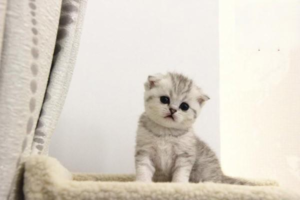
Cats are masters of hide-and-seek, and hiding is often normal—driven by fear, illness, hunting play, or the simple need for quiet rest. A new home, strangers, loud noise, social setbacks, or sickness send a cat under the bed; a stalking cat is just following instinct; a hot or cold corner is just comfort. To reduce dusty hiding, socialize the cat to the world, address pain or stress promptly, limit uncontrolled cubbyholes, and give it a cozy, enclosed bed it actually likes.
What to Do When Your Cat Becomes Lethargic?
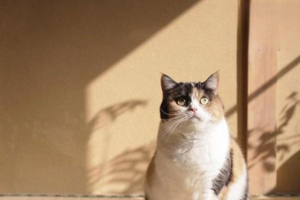
Cats are naturally quiet companions, but a sudden loss of energy is a signal worth attention. The two main reasons are emotional and physical: a cat left alone too long can grow depressed and withdrawn, while illness—from a simple cold to oral, skin, or stomach problems—drains its spark. Because lethargy is a common early sign of disease, owners should look for other clues and act. This guide explains why cats go listless and how daily companionship plus prompt veterinary care can bring your lively cat back.

Can You Take a Rabbit for a Walk?
Rabbits can go for walks, and occasional outings benefit them: exercise builds strength and stamina, time outdoors eases stress and anxiety, and walking stimulates gut movement to improve appetite and digestion. Outings may even support a longer, healthier life. Keep it safe, though—choose a quiet area away from traffic and hazards, acclimate the rabbit gradually, avoid extreme heat or cold, and watch for signs of distress. Outdoor rabbits should also be dewormed regularly. Indoor rabbits generally do not need walks, but outdoor rabbits can enjoy moderate, supervised time outside.