Search Results
392 results for “open mouth”

Rabbit Lying Down with Weak Limbs — What to Do
Seeing a rabbit flat on the ground with weak legs can look like the end, but the cause is often treatable. The three usual suspects are heatstroke from a hot, stuffy room, low blood sugar from poor nutrition, and coccidiosis, a parasitic gut infection. Each has a distinct fix, from cooling and glucose to deworming and disinfection. This guide explains how to tell them apart and what to do before a vet visit becomes necessary.

How to Give Your Cat a Pill
Whether for deworming or illness, you'll likely need to medicate your cat, and the first time is the hardest—practice makes it easy. Three methods: by hand (best for tablets or capsules, using the cat's natural 1–2 second mouth-open window), with a pill device (safer for beginners, handles solids and liquids), and mixed into food (not recommended, since it can change efficacy and the cat may refuse). If you truly can't manage it, let the vet do it to avoid delaying treatment.

9 Ways Your Cat Says ‘I Love You’
Cats show affection in quiet, unmistakable ways once you learn to read them. They head-butt and hook their tail around you to mark you as theirs, roll over to flash a trusting belly, and use the 'silent meow' (a high-pitched call above human hearing) reserved for mothers and trusted companions. This guide lists the common signs your cat truly likes you—including gift-giving—so you can be sure of the bond.
Recipe: Homemade Chicken Jerky Cat Treats
Dried chicken jerky is a great cat treat, especially for cats with tartar, yellow or black teeth, bad breath, or frequent mouth problems — it cleans teeth remarkably well. Slice chicken breast into strips of different widths for different purposes, dry them in a dehydrator for over six hours, and store in a sealed container. A cat may gag briefly if it eats too fast; that is normal. Suitable for cats over three months old.

Cat Vomiting Yellow Fluid and Undigested Kibble: Causes and Care
When a cat throws up yellow fluid and undigested kibble, weak intestines, especially in kittens, are often to blame. If lethargy and appetite loss accompany it, rule out feline panleukopenia with a vet. Otherwise the usual causes are simple indigestion from irregular feeding, intestinal parasites, or gastroenteritis from spoiled food. Manage mild cases with a pet probiotic and a short fast, treat parasites with a dewormer, and seek a clinic if it persists beyond 24 hours.
Difference Between a Cat Hairball and Asthma
A hairball problem shows as frequent gagging and dry heaves, occasionally bringing up hair with the vomit; if it cannot be expelled it causes days without a stool, a hard dry belly, and a dull, rough coat. Feline asthma shows as a stretched neck, wide eyes, and a loud wheezing sound lasting seconds to minutes, with little response to calls or touch; it can progress to rapid, labored, open-mouth breathing that needs immediate medication.
Why Do Cats Get Stomatitis?
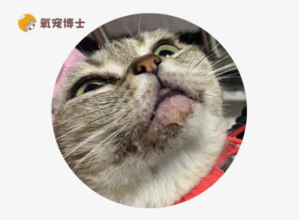
Feline stomatitis is a painful, chronic, immune-driven inflammation of the mouth—not just sore gums. Calicivirus and autoimmune disease are the usual triggers, while other viruses, plaque, breed, stress, and poor nutrition add risk. Because it hurts to eat, cats waste away, so finding the cause matters; for stubborn cases, full-mouth extraction often brings lasting relief.

Common Items in a Dog Health Checkup
A routine dog checkup covers coat and skin, weight, temperature, eyes, ears, teeth, feces, X-rays, and blood work. Many diseases show no early signs and become serious or even untreatable by the time they appear, and older dogs face organ decline and age-related illness, so yearly exams are worthwhile. A typical visit measures rectal temperature (normal 38-38.9°C), checks eyes and ears for cleanliness, assesses coat and weight, examines the mouth for gum or tooth disease, and may add fecal, X-ray, or blood tests as needed.

What Causes Sepsis in Dogs and How Is It Treated?
Dog sepsis happens when bacteria such as Staphylococcus, Streptococcus, or E. coli multiply in the blood and release toxins, causing body-wide infection. Large skin wounds, bacterial diarrhea, purulent peritonitis, or open fractures can all trigger it. Early signs include fever, lost appetite, vomiting, diarrhea, weakness, rapid breathing, dilated pupils, and abnormal heartbeat. The sooner treatment starts, the better the odds, so see a vet at once if these appear. Treatment uses culture-guided antibiotics, nutritional support, symptomatic care, and restoring acid-base balance.
Kissing Gourami
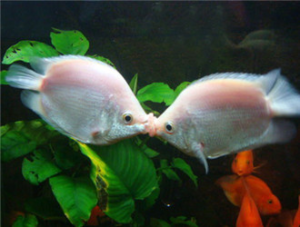
The Kissing Gourami (Helostoma temminckii), also called the Kissing Fish, is a common, well-known tropical ornamental. Many think its 'kissing' shows love, but it is actually territorial fighting.