Search Results
392 results for “open mouth”

Early Signs of Cheek Pouch Inflammation in Hamsters
Cheek pouch inflammation in hamsters is usually caused by bacterial infection, poor nutrition, overeating, or a sharp object scratching the pouch, and it can cause appetite loss, bad breath, and lethargy. Left untreated it may become life-threatening. Early signs include reduced appetite, food stuck in the pouch, trouble drinking, and low spirits. Prompt care, gentle massage, diet adjustment, hygiene, and veterinary-guided antibiotics are the main treatments.
What to Do When Your Cat Has a Fever
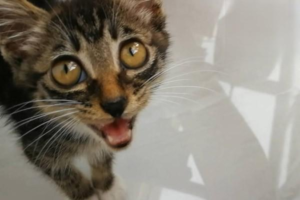
Cats get fevers just like people, but a cat's fever is rarely simple - it can signal parasites, stress, bacterial infection, panleukopenia (feline distemper), feline herpesvirus, or various inflammations. A fever is not a small matter: left alone it can damage organs and even turn deadly. Telltale signs include hot ears and tail tip, a dry nose, sweaty paw pads, and a cat that suddenly prefers cool floors and dark corners while eating less and looking limp. Normal cat temperature runs 38-39C (about 39.3C in kittens); above 39.5C is a fever and above 40C is high. For a mild fever or when a clinic is out of reach, cool the paws and belly with alcohol and offer water, but never give human fever medicine, which can be fatal - see a vet for high fevers.

Bad Breath, Tartar, and Lost Appetite: Feline Periodontal Disease
By age three, roughly 70 percent of cats have periodontal disease, and the first sign owners notice is bad breath. Left alone, bacteria-laden tartar inflames gums, weakens immunity, and can force extraction. This guide covers what periodontal disease is, its signs, vet checks, and how to build a brushing routine that protects your cat's teeth.

Bad Breath in Cats: Causes and What to Watch For
An occasional whiff after a meal is normal, but constant cat bad breath points to an underlying problem. The causes run from simple plaque to digestion, mouth ulcers, kidney disease, and even diabetes, each with its own clue. Knowing what to look for helps you act before a minor issue becomes a serious one.

Why Is My Cat Drooling?
Cats drool for many reasons, from normal relaxation to illness or disease, so judge by the situation and the cat's mood. Drooling during sleep or when the cat is content is usually nothing to worry about. But if the saliva is foul-smelling or comes with other symptoms, watch closely, check the mouth for foreign objects, and if drooling persists with signs of discomfort, see a veterinarian. Common causes include deep relaxation, something stuck in the mouth, outside triggers like food smells, and oral disease such as periodontal problems or stomatitis, which often produce smelly drool.

Treating and Preventing Cat Tartar
Ignored mouth hygiene leads to tartar, common in cats over two on soft food, peaking at five and eight. Plaque hardens into tartar that causes gum damage, loose teeth, and bad breath. Professional ultrasound scaling under anesthesia is best; severely bad teeth should be pulled. Prevent with early brushing using pet paste and gauze, and feed cat kibble.

What Happens When You Overfeed a Turtle?
Overfeeding burdens a turtle's digestive system and can lead to diarrhea, indigestion, and gastroenteritis over time. Leftover food fouls the water, lowering immunity and raising the risk of eye infections, shell rot, and skin disease. Rapid growth that outpaces shell renewal can even cause deformity. To avoid these problems, control portion size and feeding method. Hatchlings need daily feeding, but no more than the size of the head; adults tolerate hunger well and can be fed every few days.

Cat Vaccinations
Cats routinely get the FVRCP (feline distemper) combo plus a rabies shot. FVRCP covers three common, high-mortality, hard-to-treat viruses: panleukopenia, rhinotracheitis (herpes), and coronavirus (more mouth signs than herpes). Rabies is for prevention; indoor-only cats rarely need it in China, but worried owners can give it once adult. Schedule: healthy kittens start at 8 weeks, usually three shots 4 weeks apart; adults get two FVRCP shots 3–4 weeks apart; after that, an antibody test every 3 years can spare unnecessary shots. Notes: a cat on ringworm medication is weak—wait; keep the same brand for the first series, different brands OK for boosters; inactivated vaccines are fine in pregnancy, modified-live are not; confirm immunity with a titer test.

Health Checks Every Cat Owner Should Know
Must-do checks: a baseline exam plus a four-way infectious test (panleukopenia, herpes, calicivirus, coronavirus) for every new cat—do it early, before symptoms turn deadly. Antibody tests suit cattery-bought kittens. Pre-surgery bloodwork matters for seniors; post-illness rechecks and fecal/SAA/urine tests catch parasites, inflammation, and urinary disease. Skip unnecessary ones: toxoplasma testing is mainly for pregnant households, and X-rays are for swallowed objects or fractures.
Hamster Heatstroke: Signs and First Aid
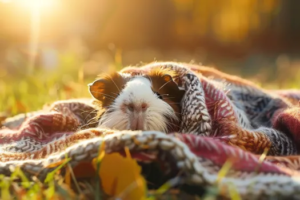
Hamsters tolerate heat better than some small pets, but a sustained hot spell can still overcome them, and heatstroke is fast and dangerous. Early signs are deceptive—frantic racing—but they quickly give way to lethargy, rapid breathing, and collapse, and an untreated hamster can die within half an hour. Quick cooling and fluids are the difference. This guide explains how to recognize heatstroke and the step-by-step first aid that can save your hamster.