Search Results
298 results for “onion”

Dog Food Safety: Harmful Foods to Keep Away from Your Dog
A healthy dog starts with a safe, balanced diet. The single most important rule is to keep harmful foods out of your dog's bowl. Certain everyday items—sharp cooked bones, too much animal liver, onions and garlic, chocolate, and allergenic seafood—can damage your dog's digestive tract or even prove toxic. Cooked bones can tear the stomach or intestine; excess liver causes vitamin A poisoning; alliums trigger the destruction of red blood cells; chocolate's theobromine is dangerous in quantity; and seafood often sparks allergic diarrhea. Learning these common dietary taboos helps you protect your dog from acute poisoning, internal injury, and chronic health issues, and keeps mealtime both safe and nutritious.
How can I feed garlic to my dog?
A small amount of cooked garlic is acceptable — steam and mash it, feed sparingly, and never overfeed to avoid poisoning and acute anemia. Garlic is rich in carotene, vitamin B, protein, and trace elements that support immunity, but never feed scallions, onions, or chives, which cause acute hemolytic anemia.
What happens if a dog eats garlic sprouts?
Eating garlic sprouts can cause hemolytic-anemia poisoning in dogs, with signs such as vomiting, diarrhea, blood in the urine, reduced appetite, lethargy, and drowsiness. Like onions, garlic sprouts contain disulfide compounds that oxidize red-blood-cell hemoglobin (forming Heinz bodies) and rupture the cells. If only a small amount was eaten, the dog may show no reaction — monitor for a day and seek veterinary care if anything seems wrong.
Foods That Support Your Dog’s Liver
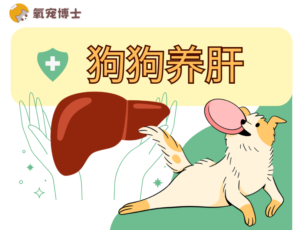
The liver filters toxins, stores nutrients, and makes bile, yet it stays silent until heavily damaged—so daily support matters. Quality protein, cruciferous vegetables, and berries aid detoxification, while milk thistle, dandelion root, and omega-3s protect cells. Just as vital is what to skip: fatty foods, toxic items like chocolate, onion, and grapes, and human medicines that strain or poison the liver. Keep water flowing and weight healthy.

Why Is Your Dog’s Gum Pale? Don’t Ignore It—It Could Signal These Illnesses
A healthy dog's gums are pink and refill quickly after a light press. Pale or whitish gums often mean the body isn't getting enough oxygen—usually because of anemia or an underlying chronic disease. The causes range from nutritional and blood-loss anemia to kidney or liver problems and infections. Because pale gums can point to something serious, they deserve a prompt check rather than guessing at home.

Can Dog Kidney Failure Be Cured? The Honest Answer
Dog kidney failure splits into two very different pictures. Acute failure—from toxins, severe infection, or a blockage—can often be reversed if treated within about 72 hours. Chronic failure, common in older dogs, is irreversible because most function is already lost before signs appear; the goal then is to slow it down and protect quality of life. Both need a veterinarian's plan, not guesswork.

Splash Tetra
The Splash Tetra is a characin. Unlike others of its family that eat their own eggs, it protects them in a special way. Also called the Four-lined splashing tetra, it reaches 6–8 cm and is native to the Amazon basin.

Guinea Pig
The Guinea Pig (Cavia porcellus), also called the cavy, is a gentle South American rodent kept worldwide as a pet. It needs a roomy cage, a bottle, and — unlike many rodents — a diet with added vitamin C: grass hay, guinea-pig pellets, and fresh vegetables. Its teeth grow for life, so fibrous food is essential.
Winter White Dwarf Hamster
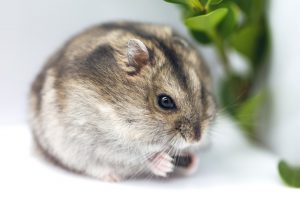
The Winter White Dwarf Hamster (Phodopus sungorus), also called the Djungarian hamster or Russian dwarf, is the easiest and tamest of the small hamsters and turns white in winter. A solitary species, it needs a safe cage, a wheel, and a careful diet free of onion, chocolate, and apple seeds. Lifespan 2–3 years.

Dutch Rabbit
The Dutch Rabbit is a small, distinctly marked pet rabbit with a white inverted-V on the face and a sharp color split between front and back. Gentle, smart, and nearly odorless, it needs timothy hay, a chew stick, steady 25–32°C, and a wire-free, dry cage. Lifespan about 5–7 years.