Search Results
29 results for “nictitating membrane”

Welsh Springer Spaniel
The Welsh Springer Spaniel is an ancient flushing spaniel, mainly found in the U.S., valued as a hardworking gun dog and a moderate-sized, affectionate companion. Its weather-resistant red-and-white coat needs sensible care.

Neapolitan Mastiff
The Neapolitan Mastiff is an ancient, massive Italian breed known for its heavy wrinkles, drooping dewlap, and slobbering. Despite its daunting look, it is gentle, loyal, and devoted to family, needing early training and plenty of space.

Bouvierdes Flandres
The Bouvier des Flandres is a powerful, rough-coated herding and working dog from France and Belgium. Calm, courageous and intelligent, it makes a devoted family guardian and capable service dog.

Why Does My Cat Show the Whites of Its Eyes While Sleeping?
The 'white' a sleeping cat shows is usually its third eyelid, normal during light sleep as the eyes dart. It can also reflect a self-defense instinct, hunger, or low security. Persistent third-eyelid show when awake, eye injury, or a foreign object means a vet visit.
No abnormality yesterday, but this morning there is a white film on the eye. Could it be too much salt?
A whitish film on a puppy's eye may be the third eyelid (normal) or a pathological issue like keratitis or cataracts. Try anti-inflammatory eye drops; if no improvement, see a vet.

What Your Cat’s Eyes Are Telling You
A cat's eyes reveal its mood: half-closed eyes mean relaxation, wide round eyes signal surprise (or stress if paired with flattened ears and a puffed tail), and a slow blink is a feline kiss. Looking away is a sign of trust, while dilated pupils show focus or fear.
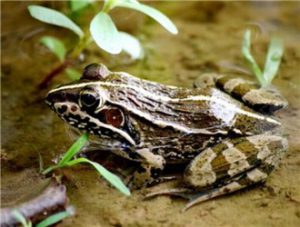
Indian Bullfrog (Tiger Frog)
The stout 'frog of Asia' with tiger-like markings - a China Grade II protected amphibian. Private keeping is illegal; profile is for farmers and breeders.
Hwamei (Chinese Hwamei)
The hwamei (Garrulax canorus) looks plain but has a famously loud, melodious song and has long been a prized cage bird in China. It is shy and alert, feeds on insects and seeds, and is the city bird of Guangzhou.
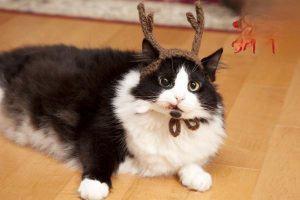
Tetanus in Dogs and Cats: Symptoms, Treatment, and Prevention
Tetanus is a specific infection caused by Clostridium tetani entering through skin or mucosal wounds, multiplying in low-oxygen conditions, and producing a toxin that causes muscle spasms. Because dogs and cats resist the toxin relatively well, localized tetanus is more common, showing rigidity and spasms in the limb near the wound.
- « Previous
- 1
- 2
- 3