Search Results
29 results for “nictitating membrane”
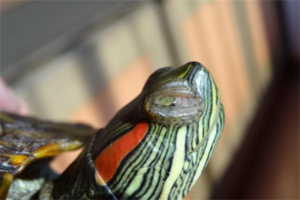
What Are the Symptoms of Turtle White-Eye Disease?
Turtle white-eye disease is a bacterial infection: early signs are a red, whitening nictitating membrane with discharge, worsening to swollen, stuck-shut eyelids and a cloudy cornea, often with lost appetite. Treat with gentle cleaning plus antibiotic eye drops and ointment (and oral antibiotics for severe cases), warm the habitat, and keep water clean to prevent it.

Canine and Feline Thelaziosis (Eye Worm Infection): Symptoms, Treatment, and Prevention
Thelaziosis is caused by the nematode Thelazia (eyeworm) that lives under the nictitating membrane of dogs and cats, causing conjunctivitis and keratitis that can impair vision. The worms are physically removed and the eye treated.

What to Do If Your Dog Has Eyeworms
Eyeworms (Thelazia callipaeda) are milky-white nematodes that live beneath a dog's eyelids and are transmitted by flies, causing tearing, redness, and corneal ulcers. They are cleared with pet-safe eyeworm drops such as levamisole, followed by flushing and antibiotic ointment, or removed by a veterinarian.
Do Cats Cry from Sadness?
Do cats cry when sad? The answer may differ from what some expect.

Dog Keratitis: Symptoms and Treatment
Keratitis means inflammation of the corneal tissue. Symptoms of dog keratitis mainly show new blood vessels around the cornea, corneal opacity, ciliary congestion, corneal ulcer, perforation, and fibrillar deposits in the posterior chamber. It usually appears in four forms: superficial, pigmented, deep, and ulcerative.

Symptoms of Feline Viral Conjunctivitis
Feline viral conjunctivitis is caused by the herpesvirus in cat flu. Beyond eye redness and discharge it also brings respiratory signs, so controlling the virus is essential.

Rabbit Conjunctivitis
Conjunctivitis is a serious, contagious rabbit eye disease; untreated it can blind. It's often from pasteurella in dirty, damp housing. This article covers causes, the incubation period, and prevention/treatment.

The Pathogenesis of Rabbit Red-Eye Disease
Red-eye disease is another name for rabbit conjunctivitis—a common, serious, contagious illness caused mainly by pasteurella overgrowth. This article explains how it develops, its incubation, and treatment.
My baby turtle has a transparent white film over its eye that looks a bit swollen, not just the eyelid. Is this normal or is it sick?
A white film is likely an eye infection (white-eye disease) from bacteria, fungi, or microbes, starting with a pale cornea and discharge and risking blindness if worse. Treat with antibiotic drops/ointment like chloramphenicol or erythromycin, oral azithromycin, and keep water clean.
I want to know if my turtle is sick, and if so, how to treat it
Cloudy eyes in turtles are often from infection, possibly white-eye disease caused by bacteria. Clean the eyes and use antibiotic drops and ointment.
- « Previous
- 1
- 2
- 3
- Next »