Search Results
101 results for “mortality rate”

Malayan Flat-shelled Turtle
The Malayan Flat-shelled Turtle (Notochely platynota) is a secretive, chiefly herbivorous freshwater turtle from Southeast Asia that prefers shallow, plant-rich waters. Wild-caught individuals are notoriously fragile, making it one of the most difficult turtles to keep successfully in captivity.

Geometric tortoise
The Geometric Tortoise (Psammobates geometricus) is a rare, strikingly patterned South African tortoise protected as endangered. Extremely sensitive to humidity and a challenge to keep alive in captivity, it is best appreciated in the wild or by experts.
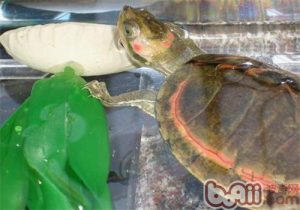
Pink-ringed Tent Turtle
The Pink-ringed Tent Turtle (Pangshura tentoria) is a striking high-domed turtle with pink cheeks and a pink ring around its carapace, but it is delicate, with hatchling mortality often above 80%, mostly from skin rot. Best suited to experienced keepers who can provide stable temperatures and a basking area.

East African Black Mud Turtle
The East African Black Mud Turtle is scarce in the wild and thus rarely kept in captivity; in China it is uncommon, though other side-neck species are seen more often, indicating its rarity and need for protection. It eats both plants and animals, living in shallow water and occasionally climbing onto land.

Berger’s Cape Tortoise
Berger's Cape Tortoise is a small tortoise native to the coastal regions of Namibia and western South Africa, where it shelters among rock crevices and feeds on the flowers and fruits of plants such as cucumbers, gourds, grapes, and figs, reproducing by laying eggs.
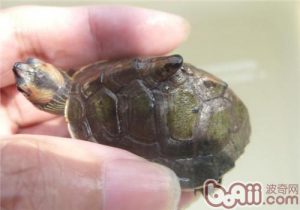
Indian Roofed Turtle
The Indian Roofed Turtle (Kachuga tecta) is one of the more common roofed turtles, recognizable by the distinctive raised black keel on its shell. Native to the rivers of the Indian subcontinent, it is a timid aquatic turtle that can enter hibernation.

Canine Lungworm Infection (Filaroidiasis / Tracheobronchial Worm): Symptoms, Treatment, and Prevention
Canine lungworm infection is caused by nematodes of the family Filaroididae that live under the tracheal and bronchial mucosa or in the lungs of dogs, producing nodular lung lesions. It is treated with anthelmintics and respiratory support.

Botulism (Clostridium botulinum Toxin) in Dogs and Cats: Symptoms, Treatment, and Prevention
Botulism is a poisoning disease caused by ingesting the neurotoxin produced by Clostridium botulinum in spoiled animal carcasses or feed. It is marked by paralysis of the motor and bulbar nerves.

Feline Calicivirus Infection: Symptoms and Treatment
Feline calicivirus is a common viral cause of upper-respiratory and oral disease in cats, marked by fever, mouth ulcers, and runny nose. It spreads easily and causes high illness rates, but deaths are uncommon except in very young kittens.

Cat Cold vs. Feline Herpesvirus (Cat Flu): What’s the Difference?
Feline herpesvirus (cat flu / infectious rhinotracheitis) is a serious, potentially fatal respiratory disease with fever, eye inflammation, and high mortality in kittens, while an ordinary cat cold causes mild sneezing and clear discharge. Vaccination and lysine supplementation help prevent it.