Search Results
101 results for “mortality rate”

Preventing and Controlling Rabbit Colibacillosis
Rabbit colibacillosis (mucoid enteritis), caused by Escherichia coli, strikes weanling rabbits hardest with high death rates from watery, jelly-like diarrhea and dehydration. Prevention hinges on steady high-fiber feeding, clean dry housing, insect and rodent control, and feed-additive or vaccine prophylaxis.

Rabbit Viral Hemorrhagic Disease: Symptoms and Prevention
Rabbit viral hemorrhagic disease (RHD, or 'rabbit plague') is a highly contagious viral infection with up to 100% mortality and no specific cure. Control relies on the semi-annual RHD vaccine, strict hygiene, and disinfecting feed and water contaminated by sick rabbits.

Preventing Rabbit Myxomatosis
Myxomatosis is a near-always-fatal viral disease of rabbits spread mainly by mosquitoes and rabbit fleas that carry the virus from sick animals. Signs include conjunctivitis, widespread head swelling and a 'lion-head' face, breathing trouble, and jelly-like tumors; mortality exceeds 95%. Keep it out through strict import bans and quarantine of breeding stock.
What happens if a Pomeranian is not vaccinated?
An unvaccinated Pomeranian faces higher risk of distemper, parvovirus, and parainfluenza, caught from other dogs' secretions. If its constitution is weak, mortality is very high, so vaccinate after two months if healthy.
Is feline parvovirus the same as feline distemper (panleukopenia)?
Feline parvovirus generally refers to feline distemper, also called feline panleukopenia or infectious enteritis. It is highly contagious and fatal, causing vomiting, diarrhea, fever, and lethargy. There is no specific cure, so vaccinate cats over two months old with the FVRCP vaccine.
What are the odds a dog with ‘madness’ (seizures) will die?
'Madness' can be epilepsy, rabies, or distemper after-effects. Rabies is ~100% fatal — isolate and report it. Epilepsy and distemper-related twitching usually aren't immediately life-threatening but carry some risk.

How to Prevent Rabbit Hemorrhagic Disease (Rabbit Fever)
Preventing rabbit hemorrhagic disease relies on four pillars: management, vaccination, cross-infection control, and emergency response. Strict sanitation, regular single-strain vaccination, quarantining new rabbits, and banning visitors and stock from infected areas sharply cut outbreak and death rates.
The Effects of Hamster Inbreeding
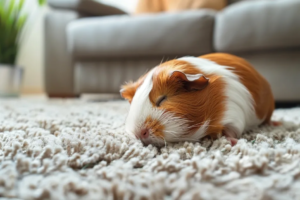
Inbreeding hamsters is risky: it raises the chance of inherited disease and genetic defects, lowers genetic diversity so offspring get sick more often, and tends to produce weaker, less intelligent pups with higher death rates and reduced fertility. The main reason breeders do it is to lock in a pure bloodline, but the uncertainty is high. For home keepers, the safe choice is to avoid inbreeding entirely, separate males and females into different cages, and if you do plan a litter, pick two healthy, unrelated hamsters and breed them between 5 and 10 months of age.

What Happens When a Cat Lacks Taurine?
Taurine is a nutrient cats cannot make on their own—they must get it from food, so a shortfall quickly harms health. It is vital for eyes and heart: deficiency degenerates the retina and causes irreversible blindness, and it is a leading cause of dilated cardiomyopathy, which improves if caught early but worsens without it. Taurine also powers metabolism and immunity, aids digestion by boosting stomach acid and protein absorption, and supports reproduction—a deficient pregnant cat risks weak, slow-growing, high-mortality kittens. Because cats can't synthesize it, feed taurine-rich foods like organ meat, muscle, and some seafood.

How Deadly Is Canine Parvovirus? It Comes Down to Three Factors
Canine parvovirus is a highly contagious disease that can kill, but the outcome is far from fixed. Survival depends largely on the virus strain, the dog's age and immune status, and how quickly treatment begins. While reported mortality ranges from around 10% to 80%, prompt veterinary care can push survival above 70%. Understanding the risk factors and acting fast makes the single biggest difference for a sick dog.