Search Results
612 results for “morning”

How to Keep Goldfish Cool in Summer
Summer is peak growth season for goldfish. Right temperatures mean good appetite, more activity, and fewer illnesses, so they grow faster than in other seasons. Here are summer care and cooling tips.

How to Keep Goldfish in Winter and the Right Water Temperature
As temperatures drop in winter, lively goldfish grow sluggish, and safe overwintering is not easy for the small ones. Here are winter goldfish tips on feeding and keeping them warm.

Rabbit Mastitis: Causes, Signs, and Treatment
Rabbit mastitis, common about a week after kindling, blocks kits from nursing and can kill the doe through tissue death or sepsis. It stems from dirty housing, cage splinters, oversupply from too much concentrate, or bitten teats. Prevent with managed feed and smooth clean cages; treat early with cold packs and ichthammol, later with hot packs and penicillin plus mequindox and dexamethasone, and surgery for abscesses. A sick doe can pass yellow-urine disease to kits, so treat both.

When Do Golden Retrievers Start Growing Their Adult Coat, and How to Help
Golden Retrievers usually start their coat 'blow' at about 4–5 months and continue to around 8 months. If a Golden hasn't blown its coat by then, beyond genetics the owner's care also plays a role. This article shares ways to support a healthy adult coat.

When Can Rabbits Breed and Become Pregnant?
Rabbits reach sexual maturity at 3.5–4.5 months but should not be bred that early, or their own development and the litter suffer. Wait until the rabbit weighs 70–75% of its breed's adult weight — about 4–8 months depending on size — and breed in spring for the best conception and litter size.
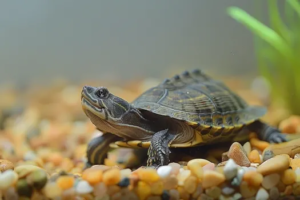
What Environment Suits a Pet Turtle?
Turtles are semi-aquatic, cold-blooded animals that breathe with lungs and live in lakes, ponds and rivers — active and feeding in water by day, foraging on shore at night, and very timid. Below 10°C they hibernate in mud or burrows until water rises above 15°C in April. They eat a wide diet (feed about 5% of body weight), and their color shifts with the habitat as natural camouflage.

Arowana Feeding: Tips and Precautions
Arowanas are large, easy-going freshwater fish that need stage-based feeding: fry 6–8 small meals a day down to adults once a day, always to about 80% full and finished within 10 minutes. Use floating food to avoid droopy eye, cut shrimp rostra, disinfect live prey, and shift from growth-type to color-enhancing foods during the color phase.

4 Common Mistakes When Walking Your Dog
Daily walks help a dog's health, but the wrong approach causes harm. Always use a leash, avoid walking in high heat, keep the dog at your side rather than letting it lead, and limit time in grass and bushes where ticks and parasites lurk. Regular deworming and bathing also protect against external parasites.

What Do Golden Hamsters Eat? How to Care for Them
Golden hamsters are omnivores that hoard food, so offer staples (pellets, oats, millet) plus small amounts of safe fruit, veg, meat, and insects — never apple seeds, onions, chocolate, or human food. Keep them at 20–28°C with soft bedding and good ventilation.

How to Feed Ornamental Fish
Feed ornamental fish on a fixed schedule, at a fixed spot, with quality food, and in the right amount - roughly 1-2% of body weight, finished within 10 minutes. Adjust feeding to the season, temperature, and the fish's appetite, and offer smaller, more frequent meals when the water is cold.