Search Results
612 results for “morning”

Symptoms of Calcium Deficiency in Senior Dogs
Senior dogs' bodies decline, so calcium absorption falls and bone loss rises, easily causing osteoporosis. For a happy old age, this article covers the symptoms and how to supplement calcium.
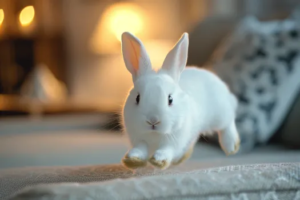
Caring for a Rabbit During Weaning
Weaning is a critical stage in a rabbit's development, and proper post-weaning care directly affects growth. Key measures include daily exercise with sunlight, adequate water, a small salt supplement, careful controlled feeding, and early disease prevention against pasteurellosis and coccidiosis.

Why Does Your Dog Keep Shaking—Is It Cold?
Shaking isn't only cold or fear. It can also mean excitement, illness (kidney failure, distemper, injury), or poisoning (morning glory, castor bean). Watch closely; frequent or nonstop shaking needs a vet.

Upper Respiratory Diseases in Dogs and Cats: Types and Treatment
Upper respiratory disease is common in dogs and cats, with sneezing, tearing, low appetite, and breathing trouble, and it often triggers secondary infections. This guide covers colds, nosebleed, rhinitis, laryngitis, and tonsillitis, with the drugs that help each.

What to Do If a Rabbit Has a Runny Nose
Watch whether the discharge is clear or thick — the remedy differs. Clear usually means a cold from chill; warm the rabbit first, then treat by severity. This guide covers warmth, nose drops, eye care, and nutrition.

Why Does My Hamster Sleep All the Time?
Hamsters sleep by day and roam at night, so a still hamster by day is normal — but all-day sleep may mean illness. This article explains the reasons.

Two Common Inflammations in Rex Rabbits
Sore hock (pododermatritis) and infectious rhinitis are both common in rex rabbits and can harm the animals; infectious rhinitis is also contagious and can sweep through a herd. This guide covers the signs, care, and prevention of each.

How to Bathe Your Dog and What to Watch
Use a dry bath (grooming powder) for puppies under six months and a wet bath for adults with mild shampoo. Brush first, keep water from ears, dry thoroughly, and bathe in the morning—never chill a low-immunity dog with water.

Common Causes and Medications for Cough in Dogs and Cats
A cough in dogs and cats can be dry or productive and stems from viruses, bacterial respiratory infection, parasites (heartworm, roundworm), irritants or foreign bodies. Treatment targets the cause — antivirals, antibiotics, dewormers, bronchodilators and cough suppressants — while vaccines, regular deworming and a clean, dust-free home prevent most cases.

Common Causes, Symptoms and Treatment of Pet Colds
Pets catch colds easily — usually from chills (season changes, baths, drafts, rain, cold floors) or low resistance. A plain cold can worsen into something serious, so treat it early. Never give human cold medicine (acetaminophen is toxic to dogs and cats); use pet-specific drugs. Learn the warning signs that separate a cold from pneumonia, rhinitis, feline herpesvirus (cat flu) or distemper.