Search Results
612 results for “morning”

How to Feed Rabbits at Each Life Stage
Feeding needs differ by life stage. Master the right method for each to raise healthier rabbits. Here is how to feed rabbits at every stage.

Common Dog Diseases in Autumn
The autumn equinox has passed—autumn is here. As it cools and day-night temperature gaps widen, dogs change too (seasonal shedding). Autumn needs extra care or disease strikes. Here are the common autumn dog diseases.

A Complete Guide to Preventing Rabbit Diseases
Disease prevention is a vital part of rabbit management, yet most farms are weak here. Here are some prevention and control measures to ease the burden on rabbit keepers.

Non-Infectious Causes of Diarrhea in Rex Rabbits
Diarrhea in rex rabbits—especially kits—is common and dangerous. While vaccines and drugs now control infectious causes, non-infectious factors (fiber imbalance, stress, antibiotics, toxins) are often overlooked. This guide covers them.

How Do a Cat’s Pupils Change?
A cat's pupils shift constantly, driven by light, mood, and health. In bright light they narrow to thin slits to protect the retina; in dim light they widen into round openings to gather more light. Emotion plays a role too—pleasure or excitement can shrink the pupils to fine lines, while fear or anger makes them blow up into wide circles, offering a window into how your cat feels. Pupil changes can also signal illness: uneven or misshapen pupils may point to infection or abnormal eye pressure, and warrant a vet visit.

How to Train a Budgerigar to Drink from a Fixed Spot
Train a budgerigar to drink from one spot by offering a stable, tip-proof water cup in a fixed place, giving water at the same times daily, and rewarding it with a treat when it drinks there. Consistency builds the habit and eases your care.

How to Remove Strong Dog Odor from Your Home
Dog body odor, waste smell, and unwashed supplies cause home odor. Bathe and groom the dog regularly; clean and disinfect its belongings; ventilate; clear shed hair; train outdoor toileting. If accidents happen indoors, use apple cider vinegar or baking soda after cleaning.
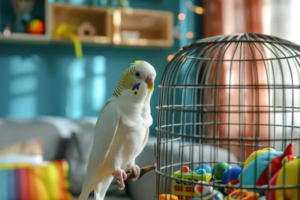
How to Care for a Lovebird
Use a sturdy metal cage (not wood - they chew and may escape), line the bottom with shavings or sand, and feed a balanced pelleted diet plus grains, fruit, and vegetables (avoid avocado and sugary or fatty human food). Feed by age - newborns every 1-2h, adults once daily - and change food and water daily. Give cooled boiled water in a shallow dish and keep them cool.

Cat Heatstroke: Symptoms, First Aid, and Prevention
Feline heatstroke is essentially what we call overheating — it occurs when a cat stays in a hot, humid place and cannot shed excess body heat. Signs mirror human heatstroke: rising temperature, mouth breathing, fast heart rate, restlessness, and panting, progressing to neurological signs and death. Cats cannot cool themselves, so on hot days keep them indoors with good ventilation and avoid outdoor sun exposure.
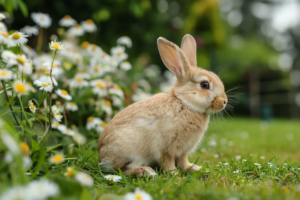
How to Care for a Dwarf Rabbit: Key Tips and Precautions
Dwarf rabbits are small, lively, and gentle, making them a favorite pet rabbit breed, but new owners often make mistakes that put the rabbit at risk. This guide covers the essential setup—cage, water bottle, litter box, diet—and the daily care rules that keep a dwarf rabbit healthy and long-lived.