Search Results
309 results for “medicated”

What to Do If a Newborn Kitten Gets Ringworm
Newborn kittens catch ringworm easily because their immune systems are still weak. The response is the same as for any cat: isolate, treat the spots gently, boost nutrition, and keep the environment clean, but with extra care given their tiny size.

How Long Does Ringworm Take to Heal in a Kitten
Ringworm is a fungal, contagious skin infection that shows up most often in underweight or weak kittens. With isolation, medicated care, and good nutrition, mild cases typically clear in a few weeks, but treatment must continue until the infection is fully gone.
What Those Hard Lumps on a Kitten’s Head Mean
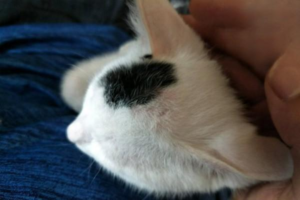
A hard, painless white lump on a kitten's head that neither grows nor fades is often a sign of ringworm. Ringworm comes from contact with fungi like Microsporum canis or Trichophyton, thriving in damp, dirty places. It causes scaly spots and hair loss, is contagious to people, and needs vet care plus topical antifungal ointment and good hygiene.
How to Make Ringworm (Cat Fungus) Heal Faster
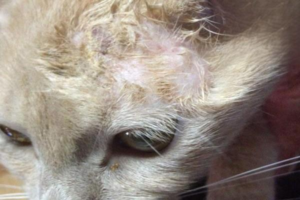
Cat ringworm is a common fungal skin disease, usually from poor grooming and a dirty environment, causing intense itching and patchy hair loss. Treatment combines shaving and medicated baths with topical antifungals and oral medication for faster recovery. Prevention hinges on cleanliness, sunlight, good nutrition, and not over-bathing.

How to Treat Skin Disease in a Puppy
Skin disease is common in undernourished or frail dogs, and hits puppies and weak individuals hardest. The main culprit is the fungus Microsporum canis, which survives for months — even years — on surfaces. Signs range from mite-driven red spots to visible fleas, and treatment means shaving, topical medication, environmental disinfection, and an Elizabethan collar.

How to Treat Fungal Skin Infection in a Puppy
Fungal skin infection in puppies is common, slow to clear, and easy to confuse with other conditions — poor nutrition, a dirty environment, or careless grooming all raise the risk. Signs include circular hair loss, scaly patches, pimples, and relentless scratching. Treat with medicated baths, an antifungal spray, and a repair ointment, while boosting nutrition and keeping the environment clean.

How to Treat Skin Disease in a Poodle (Teddy)
Poodles have dense, curly coats that trap moisture and parasites, making them especially prone to mite-driven skin disease in hot weather. Red, itchy bumps, hair loss, and constant rubbing against furniture signal infection. Treatment pairs a topical parasiticide with an oral dewormer, plus a medicated ointment for severe cases, and omega fish oil to aid coat recovery.

Best Treatment for Cat Ringworm
Ringworm is a fungal infection affecting roughly one in four cats, caused mainly by Microsporum and Trichophyton species. Effective treatment combines clipping widespread patches, medicated baths, vet-prescribed antifungal sprays or ointments with oral medication, and thorough environmental disinfection. Keeping up parasite prevention and a clean home stops recurrence.

How Long Does Ringworm Take to Heal After Treatment?
Ringworm is a fungal skin infection that usually clears with proper treatment in about a month, though full hair regrowth can take a few months. Recovery time depends on how far it spread, the cat's immunity, the medication used, and whether an Elizabethan collar is worn consistently. Prevention through good nutrition, vitamin B, and a dry, clean environment matters more than treatment.

Black Specks in Your Cat’s Fur: What They Mean
Tiny black specks hidden in your cat's coat are most often flea dirt, but they can also signal ringworm or another external parasite. The quick paper test — a damp tissue turning reddish-brown — confirms flea waste. Routine parasite control and a clean, dry environment are the best defenses.