Search Results
309 results for “medicated”

Can an Indoor Cat Still Get Fleas?
Yes—fleas can reach an indoor cat through a contaminated home or other animals, and owners can carry flea eggs in on shoes and clothes. Prevent with regular deworming and a clean environment; treat infestations with a medicated bath plus thorough home cleaning.

What to Use for a Kitten’s Skin Problem
Kittens get skin disease often; first identify whether it's fungal or parasitic, then treat it specifically. Fungus shows as circular bald red rings, parasites as scabs and red dots. Clip, disinfect and apply an antifungal spray and ointment, then deworm once healed.

Why Is the Skin Around My Cat’s Mouth Red?
Redness around a cat's mouth is a sign of skin trouble, usually falling into one of three types: allergic, fungal or parasitic. Match the treatment to the cause—soothe allergies, fight fungus with an antifungal spray, ointment and medicated shampoo, or control parasites. A vet confirms unclear cases.

Parasites on a Kitten: What to Do
Parasites are common in kittens—both internal worms (roundworm, tapeworm, hookworm) and external ones (fleas, mites). Beyond regular deworming, the living environment must be disinfected, since where the kitten has parasites, the home does too. Follow weight- and age-based dosing carefully.
My Poodle has a fungal infection, is very itchy, and is losing hair — how should I treat it?
For a confirmed fungal ear infection, disinfect the area with an antiseptic solution, then apply a vet-recommended antifungal ointment. Also check the whole body for spread; if unaffected, a medicated antifungal bath helps prevent other areas from being infected.

What to Do About Black Bugs on Your Cat
The small black bugs crawling through a cat's coat are usually fleas. A heavy flea burden causes anemia, spreads internal parasites and triggers allergic skin disease, so treat the cat and its home together. Regular topical prevention keeps fleas and other external parasites away.

What to Use for a Cat’s Skin Infection
Most cat skin problems are fungal, thriving in contaminated environments and among cats with weaker immunity. Treatment means disinfecting the home, stopping the cat from licking sores, and applying antifungal ointment and spray to clipped, cleaned patches. A medicated shampoo supports bathing during recovery.
My Toy Poodle keeps scratching with its paws and rubbing against the wall — what’s going on?
Constant scratching can be a skin condition or just a dirty, unbathed coat. Check for scabs, red patches, hair loss, and dandruff; if present, a vet-recommended topical skin ointment treats it. If not, a medicated, parasite-control shampoo and a vet-recommended external parasite treatment usually resolve it.
Can Dog Fungal Infection Be Cured?
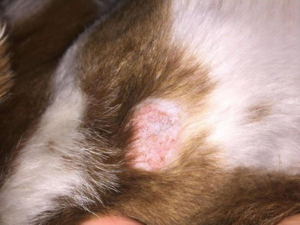
Yes — fungal infection (dog ringworm) is curable but stubborn, so treat at once to stop it spreading. Isolate, collar, disinfect with povidone-iodine, apply antifungal ointment and spray, and keep the environment clean.

Autumn Care Tips for Your Dog
Autumn means more parasites, bigger temperature swings, coat change, and easy chills. Stay on top of internal and external parasite control, add a warm blanket and balanced nutrition, and keep a probiotic handy for loose stools.