Search Results
309 results for “medicated”
My dog is losing a lot of fur and has become very thin
Heavy shedding with weight loss often points to a mite infestation (demodectic or sarcoptic mange). A vet exam is needed to confirm, then treatment with medication, medicated shampoos, and dip therapy such as ivermectin.
My dog has mites, some areas are ulcerated, and it won’t eat — what’s wrong?
Based on the photos and description, the symptoms are mainly considered a secondary mixed bacterial infection after mite infestation. Without prompt treatment, excessive scratching easily leads to bacterial infection. For diagnosis, take the dog to a vet for a skin scraping microscopy. If mites and bacteria are confirmed, medicated baths plus topical or oral medication are generally recommended.

Why Do Blood Parrot Cichlids Cluster and Rest at the Bottom?
Blood parrot cichlids huddling motionless at the bottom may just be settling into a new home, or it can signal illness, low temperature, or poor water. Give newcomers quiet time, raise the temperature to 28–30°C if it's cold, and for enteritis do a full water change with oxytetracycline/gentamicin baths plus added vitamins.

How to Treat Scale Loss in Blood Parrot Cichlids
Find the cause before treating scale loss in blood parrot cichlids: fighting from overcrowding, poor water with bacteria (leading to red-skin disease or fungus), or injury. Fix overcrowding with a bigger tank or separation and yellow powder; clean the water and add salt or potassium permanganate; for red-skin or fungal disease, isolate, disinfect the tank, and use salt/permanganate or furacillin baths.

Is Ringworm in Cats and Dogs Hard to Treat?
Ringworm is a common fungal skin infection in cats and dogs, most often caused by Microsporum canis, and it can spread to people. With the right approach—clipping, antifungal medication, medicated baths, and home disinfection—most cases clear up, though treatment is slower than owners expect.

Ear Mites in Cats and Dogs: Symptoms and Treatment
Ear mites are a common ear parasite in cats and dogs that trigger allergy and can lead to secondary infection. Itching, head-shaking, and dark debris are the classic signs — and a 2-3 week cleaning plus medication plan clears most cases.

Why Is My Husky’s Nose Peeling?
A peeling Husky nose often signals a skin infection—fungus, mites, or fleas. Treat the specific cause promptly, and always disinfect the environment afterward so the problem does not return.

Canine Demodicosis (Demodex Mange): Signs and Care
A few demodex mites are normal on every dog, but an overgrowth causes local or whole-body hair loss, redness, and a foul smell. Vet-recommended mite sprays, ointments, and medicated baths — plus clipping the fur — bring recovery.
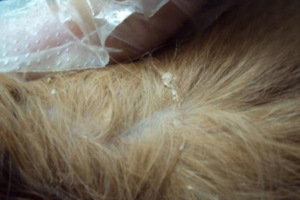
Is Matted Cat Fur a Sign of Skin Disease
Matted fur isn't automatically a skin disease; often it just means the coat wasn't brushed. But mats trap moisture and oil, creating a breeding ground for infection, and ringworm or an old wound can also cause clumping. Regular grooming and the right ringworm care keep the skin healthy.

How to Remove Fleas from Your Dog
Dogs love corners and grass, exactly where fleas thrive, so without preventive deworming they pick fleas up easily. Fleas itch and can carry other infections, and their eggs resist killing, so treat the dog and the home together. Regular deworming is the lasting fix.