Search Results
309 results for “medicated”

Can Pets Take Human Medicine?
When a pet falls ill, many owners reach for human medication, but giving pets human drugs is dangerous and has caused countless fatalities. There is a real difference between human, animal, and pet formulations. This article explains why human medicine can be fatal to pets, how dosages misfire, and the risk of drug resistance, and reminds owners to consult a vet instead.
What Is Stud Tail in Cats?
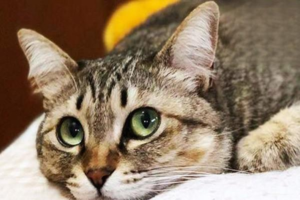
Stud tail is an overactive sebaceous gland at the base of the tail that pumps out too much oil, leaving a greasy, waxy buildup on the tail and the back of the hindquarters. Many cats feel nothing from it, but if bacteria, fungus, or yeast move in, it itches and can inflame. It is common in unneutered tomcats and breeds like Himalayans, Persians, Siamese, and Rexes. Mild cases clear with a benzoyl-peroxide shampoo; severe ones may need surgery. Neutering lowers the risk, and regular brushing helps.
My dog disappeared for a day and came back with these bumps — does anyone know what they are?
Small, round pustules on a dog's belly are usually superficial pyoderma caused by a bacterial infection, often triggered by a damp environment or lying on wet flooring. Treatment involves cleaning the area, draining the pustules, disinfecting with diluted hydrogen peroxide or povidone-iodine, and applying a vet-recommended antibacterial spray, while keeping the dog's surroundings clean and dry.
Cat Skin Redness and Hair Loss: Fungal or Bacterial?
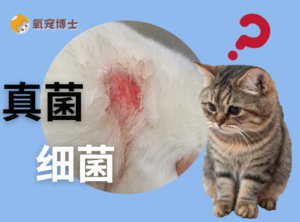
A cat's skin normally carries small amounts of bacteria and fungi that only cause trouble when the skin barrier breaks. Fungal infection, usually Microsporum canis, shows as ring-shaped hair loss with a red raised edge and dry scales, and spreads slowly. Bacterial infection is usually secondary—after a scratch, bite, mite, or allergy—and appears as pustules and fast-growing ulcers. Telling them apart guides the right treatment.
Will my cat’s black chin (feline acne) heal on its own?
Feline black chin (acne) generally won't clear up on its own, and untreated it tends to worsen. Treatment centers on cleaning - gently wipe with a lysozyme spray and apply antibiotic ointment - and shaving the surrounding fur helps; severe cases need oral medication, and any abscess or swelling should be seen by a vet.

Oriental Rat Snake (Common Rat Snake)
A large, non-venomous rat snake of southern China and wider Asia - swift and aggressive when threatened; not for the unprepared.

Yellow-bellied Slider
The Yellow-bellied Slider (Trachemys scripta scripta) is a common, hardy and inexpensive North American slider with a yellow belly and yellow 'ear' patches. Easy to keep but a messy, fast-eating carnivore-leaning omnivore.

Guppy
The guppy (Poecilia reticulata) is a peacock-tailed livebearer from South American river basins—easy to keep, with hundreds of strains. Keep at 22–26 °C, pH 7.0–8.5, and feed a varied diet of flakes, brine shrimp and daphnia.
Can Povidone-Iodine Cure Cat Ringworm?
Povidone-iodine has broad antimicrobial action but does not reliably kill the fungi that cause ringworm, so it is only a supportive measure. True antifungals, either topical or veterinary-directed oral azole medication for severe cases, remain the main treatment.

Home Care for Cat Ringworm: Practical, Low-Cost Treatment
Ringworm, or dermatophytosis, is a fungal skin infection in cats caused mainly by Microsporum canis. Mild cases respond to topical antifungals, B-vitamin support, sunlight, and environmental disinfection, while widespread disease needs medicated baths and veterinary-directed oral antifungals.