Search Results
39 results for “mange”

Canine and Feline Interdigital Pyoderma: Symptoms, Treatment, and Prevention
Interdigital pyoderma is a painful bacterial infection between the toes of dogs and cats, causing swelling, redness, moisture, and foul odor, sometimes with draining tracts. It often follows a moist environment, mites, or blocked follicles, and needs thorough cleaning plus veterinary-directed antibiotics.

Canine and Feline Seborrheic Dermatitis: Symptoms, Treatment, and Prevention
Seborrheic dermatitis is a disorder of skin lipid metabolism in dogs and cats, producing dry scales, greasy sebum buildup, or inflamed crusted skin. It may be primary (often hereditary) or secondary to parasites, infection, or endocrine disease such as hypothyroidism.

Lymphangitis and Lymphadenitis in Dogs and Cats: Symptoms, Treatment, and Prevention
Lymphangitis and lymphadenitis are inflammations of the lymph vessels and nodes, usually from infection, immune disorders, or tumors. Signs vary by location but center on swelling, pain, and systemic inflammation, and treatment targets the underlying disease.

Feline Immunodeficiency Virus (FIV): Symptoms, Treatment, and Prevention
Feline Immunodeficiency Virus (FIV), often called 'feline AIDS,' is a chronic retroviral infection of cats first identified in 1987. It weakens the immune system so cats become vulnerable to secondary infections. Unlike human HIV, FIV is not sexually transmitted; it spreads mainly through bite wounds and shared saliva, and infected cats often live a normal lifespan. The virus does not infect humans.
What could be causing this condition on my dog’s tail?
The tail symptoms likely come from folliculitis, mange mites, or fungal/bacterial infection, which can cause localized redness, swelling, and hair loss that needs a vet's diagnosis. For bacterial causes, clipping the hair, cleaning with povidone-iodine, applying a pet anti-inflammatory ointment, and oral antibiotics can help.
My dog is losing a lot of fur and has become very thin
Heavy shedding with weight loss often points to a mite infestation (demodectic or sarcoptic mange). A vet exam is needed to confirm, then treatment with medication, medicated shampoos, and dip therapy such as ivermectin.
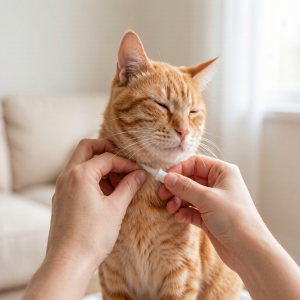
Do Cats Need Deworming in Winter?
Parasites stay active even in winter, so year-round deworming matters. Fleas, ticks, heartworm, and intestinal worms can all affect cats during the cold months, and several safe topical and systemic products are available.
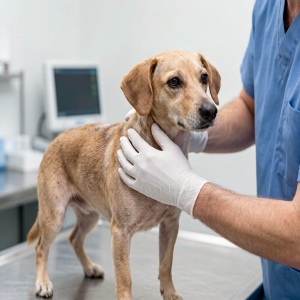
What to Do When Your Dog Is Losing Hair
Hair loss is the shedding of fur. In dogs it may be a follicle disease from self-trauma by scratching or chewing.
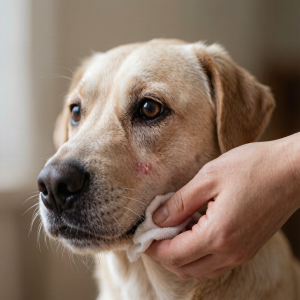
What to Do for Acute Moist Dermatitis (Hot Spots) in Dogs
Hot spots (also called acute moist dermatitis or pyotraumatic dermatitis) are localized, moist, red lesions of skin caused mainly by self-trauma. Acute moist dermatitis is a common skin disease in dogs. It often appears in long-haired and thick-coated breeds and is more common in summer.

What to Do About Contact Dermatitis in Dogs
Contact dermatitis is an uncommon skin condition in dogs, mainly caused by contact with plants, drugs, and various chemicals. It is less common in animals than in people because a dog's skin is well protected by its coat, so it appears on sparsely haired areas. This article explains the allergic and irritant types and how they are diagnosed and treated.
- « Previous
- 1
- 2
- 3
- 4
- Next »