Search Results
39 results for “mange”
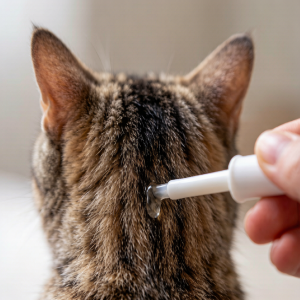
How to Use Revolution (Selamectin) on Cats
Dog flea or tick products are not recommended for cats, because certain ingredients are toxic to cats. However, the product Dog Revolution (selamectin) is safe for cats if the dose is appropriate. This article explains how to use the dog-strength product on cats to save money.

Cat Deworming: Methods and Timing
Parasites are among the few cat illnesses you can actually prevent. A regular deworming schedule protects your cat — and since many parasites are zoonotic, it protects you too. Here is what to know about internal and external parasites and when to treat.

What to Do About Mites on Your Dog
The most common dog mites are ear mites, sarcoptic mange mites, and demodectic mites, each needing a targeted treatment. Prompt, precise medication plus thorough cleaning of the dog's bedding and environment is the foundation of a cure.

How to Deworm a Teddy (Toy Poodle)
Teddies need monthly parasite control—one internal and one external treatment—with the product chosen by season and risk. Dogs that roam grass in summer need tick protection, while a standard flea drop and a broad-spectrum tablet cover most everyday needs.

Treating Mite Skin Disease in Dogs
Mites hide in hair follicles and show as patches of hair loss, redness, and itching that worsen without care. A vet check, a skin spray and ointment, and a clean, dry, disinfected home bring the fastest recovery.

Common Parasites That Affect Dogs
Dog parasites split into internal, living in the gut, and external, on the skin. Roundworms, hookworms, heartworm, and tapeworms live inside; mange mites, ticks, and fleas live on the surface, and each brings its own risk.

Why Your Dog Itches and Won’t Stop Scratching
Constant scratching usually means the skin itches, and the cause can be sarcoptic mange, fleas, an allergy, the environment, or the wrong shampoo. Watching the exact symptoms tells you which it is, so you can treat the real trigger rather than just the itch.

Why Your Dog Has Red Spots on Its Belly
Red spots on a dog's belly usually come from a bacterial or mite (mange) infection, or from a skin condition made worse by heat and moisture. Pinpointing the cause lets you treat it correctly—antibiotics for bacteria, mange therapy for mites, and a vet visit when it spreads.

Parasites on a Kitten: What to Do
Parasites are common in kittens—both internal worms (roundworm, tapeworm, hookworm) and external ones (fleas, mites). Beyond regular deworming, the living environment must be disinfected, since where the kitten has parasites, the home does too. Follow weight- and age-based dosing carefully.
- « Previous
- 1
- 2
- 3
- 4