Search Results
1892 results for “male female”

Pamphobeteus antinous
Pamphobeteus antinous, the Bolivian Blue, is one of the largest tarantulas in its genus, reaching a legspan of 20–22+ cm, with males showing iridescent blue-violet chelicerae and females a velvety black. A defensive, urticating-hair-heavy species, it is recommended only for experienced keepers.
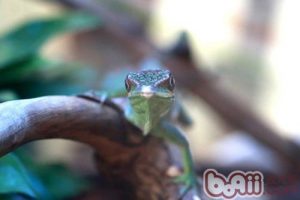
Green Anole
The Green Anole (Anolis carolinensis) is a small, tree-dwelling lizard from the southeastern United States and Caribbean, famous for changing color between green and brown, earning it the nickname 'American chameleon.' A diurnal, insect-eating pet that is easy to keep in a planted terrarium with heat and UVB.

Black Tiger Snake
The Black Tiger Snake (Notechis scutatus) is one of Australia's ten most venomous snakes, delivering potent neurotoxins, coagulants, and myotoxins that rank among the world's deadliest venoms. Despite a generally placid nature that prefers escape, it flattens its head and neck like a cobra when threatened, and is common in southern swamps.
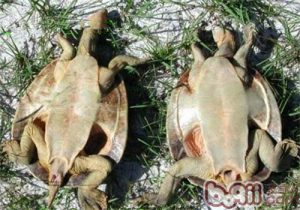
Fitzroy River Turtle
The Fitzroy River Turtle (Rheodytes leukops) is an Australian river turtle famous for 'breathing through its bottom'—it draws oxygen via cloacal sacs, letting it stay submerged far longer than most turtles. A bottom-dweller of flowing, gravelly waters, it is sensitive to poor water quality and warm temperatures.
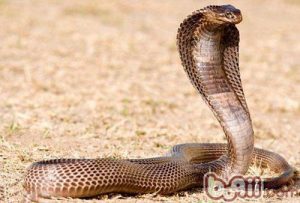
Egyptian Cobra
The Egyptian Cobra (Naja haje) is a large, highly venomous snake of northern Africa and the Arabian Peninsula, famed as the 'asp' of Cleopatra. Reaching 1.5–2.4 m with a broad neck hood, it is mostly nocturnal and delivers a potent neurotoxic venom—among the deadliest cobras.

Philippen’s Stripe-necked Turtle
Philippen's Stripe-necked Turtle (Ocadia philippeni) is a large striped-neck turtle endemic to Hainan, China, resembling the Chinese stripe-necked turtle but with a larger carapace. Sensitive to temperature swings, it is omnivorous and fairly easy to keep, though wild individuals are scarce and often mislabeled as the Chinese stripe-necked turtle.
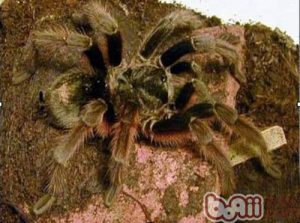
Brazilian Coffee Tarantula
The Brazilian Coffee Tarantula (Acanthoscurria suina), also known as the Argentine Coffee, is a ground-dwelling species from Argentina and Uruguay that favors subtropical grassland. With a mild temperament, slow speed, and modest size, it is often recommended as a good starter tarantula for beginners.

Pamphobeteus platyomma
The Brazilian Pink Bird-eating Spider (Pamphobeteus platyomma) is a striking, rare theraphoside from Central America's rainforests, reaching 18-22 cm. Its slings are blue with red abdomens, and adults are vividly colored; best left to experienced keepers due to its aggressiveness and difficult breeding.

Kapuas Mud Snake
The Kapuas Mud Snake (also called the color-changing snake) is found in swamps and swamp forests along Indonesia's Kapuas River. A rear-fanged colubrid discovered only around 2005, it is venomous but not yet kept as a pet.

Dyscophus antongili
The Antongil Bay Tomato Frog (Dyscophus antongili) is native to the east coast of Madagascar and feeds on insects. Restricted to a narrow range and threatened by habitat loss and poaching for the pet trade, it is listed under CITES Appendix I. Wild individuals come in red (females) or yellow (males), so choose a female if you want a red 'tomato'.