Search Results
1892 results for “male female”
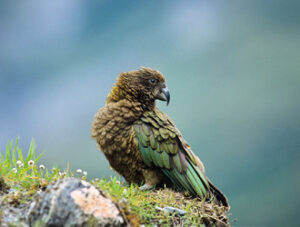
Kea
The Kea is a large, olive-green parrot native to New Zealand's high mountains, famous for its curiosity, destructiveness, and the habit of pecking sheep. Now Vulnerable, it needs a very sturdy cage, group or single housing, and a varied diet.

Centipede
The centipede is a terrestrial, venomous arthropod kept both for its medicinal value and as an exotic pet. A nocturnal carnivore that hibernates and must be raised in a secure, three-dimensional enclosure, it reproduces by laying eggs carried on the mother's back.

Eclectus Parrot
The Eclectus Parrot is a striking parrot with extreme sexual dimorphism—emerald-green males and deep-red females—native to Indonesia, New Guinea, and Australia. Quiet yet alert, it needs a large cage, a high-fiber diet rich in vitamin A, and never seed-only feeding.
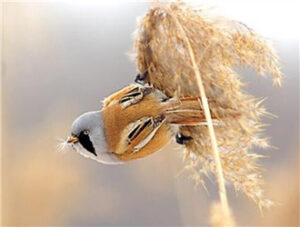
Bearded Parrotbill
The Bearded Parrotbill is a small, lively songbird of northern China's reed beds, known for nesting low among reeds. A close relative of the Hwamei, it eats mainly insects and seeds and is best fed Hwamei pellets with some fruit.

Umbrella Cockatoo
The Umbrella Cockatoo is a large white parrot named for its umbrella-like crest, native to Indonesia's rainforests. Friendly but sometimes noisy, it is a Vulnerable species that needs a roomy metal cage, chew toys, and a varied diet.

Scarlet-chested Parrot
In Australia and New Zealand lives a bird with beautiful plumage called the Scarlet-chested Parrot. If you guessed its breast feathers are bright red, you are only half right—the male's breast is indeed bright red, but the female's is green. So to tell the sex, just look at the breast feather color.

Hyla Rabbit
The Hyla Rabbit is a world-famous meat rabbit breed, introduced to China not long ago. It is the world-recognized meat rabbit breed with the highest meat yield, with delicious meat. The Hyla Rabbit consists of four lines, with different appearances among lines.
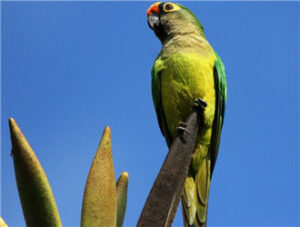
Peach-fronted Conure
The Peach-fronted Conure (Peach-fronted Conure) likes to inhabit semi-arid areas in the wild, usually active in pairs or flocks. It reproduces by laying eggs, about 2–3 times a year. It is mainly distributed in Argentina, Bolivia, Brazil, etc.

Rosy-faced Lovebird
The Rosy-faced Lovebird is easily recognized by its head color, very similar to a peach. In the wild it often damages farmers' hard-grown crops, so it is driven away by local farmers.

Japanese Waxwing
In China, keeping the Japanese Waxwing in a cage is not unusual—many have kept or are keeping one. However, no one has reportedly bred them successfully at home, so those seen in the pet market are usually caught directly from the wild. Due to indiscriminate catching and habitat degradation, their numbers are dwindling, and they are now listed as a Near Threatened species.