Search Results
21 results for “lovebird care”
How to Care for a Lovebird
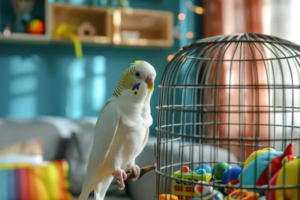
Use a sturdy metal cage (not wood - they chew and may escape), line the bottom with shavings or sand, and feed a balanced pelleted diet plus grains, fruit, and vegetables (avoid avocado and sugary or fatty human food). Feed by age - newborns every 1-2h, adults once daily - and change food and water daily. Give cooled boiled water in a shallow dish and keep them cool.
What to Do When Your Pet Lovebird Won’t Breed
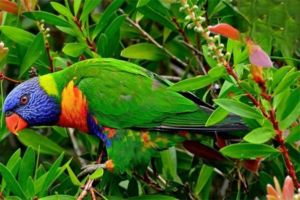
Many keepers report that their pet lovebirds refuse to breed, which can be very frustrating. Today our team shares some experience on lovebird breeding to help you out.
Taboos to Avoid When Breeding Peach-Faced Lovebirds
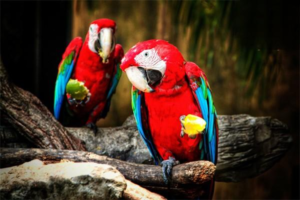
During breeding, never touch the eggs or the paired birds, and don't open the nest box out of curiosity - a startled, hot-tempered lovebird may abandon or break its eggs, or even stop laying. Respect their quiet incubation for a safe hatch.
How long can a peach-faced lovebird live?
A peach-faced lovebird generally lives 10-15 years, depending on constitution, environment, and care. It is sensitive to low temperatures and refuses food below 26-30 C, so keep it warm and well-fed.
How long after hatching does a lovebird open its eyes?
A lovebird generally opens its eyes around 10 days after hatching, some a few days earlier or later. It starts to lift its head and walk at 12-15 days, grows full feathers at about 20 days, and leaves the nest at 30 days.
At what age does a lovebird mature?
A lovebird reaches sexual maturity at 6 to 7 months and adulthood at 8 months; breed after 8 months for higher chick survival. They breed year-round in suitable temperature with good nutrition, clean, warm (about 25 C) care and daily play.
What is the lifespan of a lovebird?
Lovebirds live 12-15 years, often longer with good care. A proper habitat, balanced diet, and attentive monitoring help them thrive.

Grey-headed Lovebird
The Grey-headed Lovebird (Agapornis canus) is loved for its largely green plumage, its lifelong pair bonds, and its quiet nature compared with many other parrots. Native to Madagascar, it is a small, gentle, and shy companion bird.

Rosy-faced Lovebird
The Rosy-faced Lovebird is easily recognized by its head color, very similar to a peach. In the wild it often damages farmers' hard-grown crops, so it is driven away by local farmers.

Black-cheeked Lovebird
The Black-cheeked Lovebird (Black-cheeked Lovebird), also called the Black-cheeked Lovebird or Black-masked Lovebird, derives from the Greek 'Agape' meaning love and 'Ornis' meaning bird, hence 'lovebird'. Its plumage is very brilliant, and heavy capture for the pet trade has reduced wild numbers.