Search Results
283 results for “loose skin”

Why Is My Turtle’s Poop Green?
Green turtle stool can be normal—often from eating leafy greens—but it may also signal enteritis, especially with lethargy, mucus, or darkening stool. Treat enteritis by isolating the turtle and bathing it in oxytetracycline; severe cases need a veterinarian.
What happens when a Bichon puppy is thirsty?
A thirsty Bichon puppy becomes restless, paces or barks at the owner. It may lick its lips to wet its mouth and ease thirst.
What happens after a cat dies of poisoning?
A poisoned cat's death appearance depends on the toxin: gut-burning poisons cause vomiting, diarrhea and dehydration; nerve poisons cause twitching and foam at the mouth. Some toxins destroy red blood cells.

How Fat Is Too Fat for a Cat, and Does Meat Make Cats Fat?
Judging whether a cat is overweight comes down to body shape, not the number on a scale — breeds and builds differ, so compare body condition, not weight. Using a 1–10 body-condition score, you can feel the spine and ribs and watch the waistline: 1–2 is very thin, 5–6 ideal, 9–10 obese. A cat's saggy belly 'primordial pouch' is normal and not a sign of fat. As obligate carnivores, cats digest meat efficiently and grow lean and strong on it; what causes obesity is hard-to-digest, starchy, sugary food — not meat.

Should You Microchip Your Dog?
Microchipping a dog is well worth it. A lost dog can be scanned to reveal its owner's contact and address, greatly raising the chance of a safe return, and in some areas a chip is required for the pet license. The chip is rice-sized, injected quickly under the skin of the neck with no anaesthesia, causes only a brief pinch, and stays put far more reliably than a collar tag. It also stores vaccine and health records, helping both reunion and city-wide pet management.
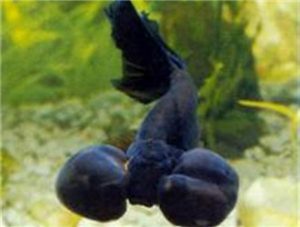
Black Bubble Eye Goldfish with Dorsal Fin
The Black Bubble Eye Goldfish with Dorsal Fin is an all-black variety of bubble-eye goldfish that first appeared around 1982, prized when its color is as deep as ink. Unlike tailless bubble eyes, it retains a normal dorsal fin. Its fluid-filled eye sacs are delicate and require careful handling and stable water conditions.
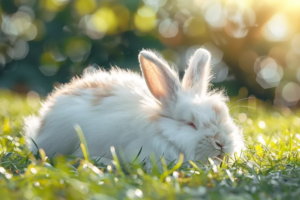
Preventing and Treating Mange Mites in Rabbits
Rabbit mange is an external parasitic disease caused by sarcoptic and psoroptic mites, threatening entire herds if not controlled early. It appears as skin mange (body) or ear mange, with itching, hair loss, and crusting. Prevention centers on dry, clean housing and quarantine, while treatment uses trichlorfon, ivermectin-type drugs, or medicated baths.

Wolf-Dog Breeds and Their Appearance
'Wolf dog' isn't a single breed but a loose name for large, wolf-like dogs, often a cross of wild wolf and domestic dog. Common types include the Langqing, German Shepherd, and Black Back, each a strong, capable working dog.

What Your Dog’s Waste and Walk Reveal About Its Health
Beyond temperature, pulse, and weight, a walk is the best window into your dog's health — watch its gait, expression, and the color and shape of its urine and stool. Red or dark urine can mean bleeding, cloudy urine an infection, shiny urine crystals, and orange urine jaundice; soft, bloody, or black stool points to digestive trouble. Catch these early and bring a fresh sample to the vet.
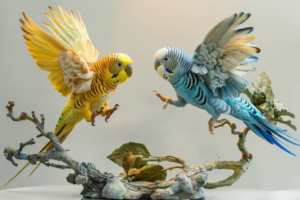
How to Treat Severe Feather Loss in Parrots
Heavy feather loss in parrots usually signals feather-picking syndrome, driven by parasites, skin infection, nutritional gaps, a poor environment, hidden illness, or stress. Treatment starts with pinpointing the cause — a better diet, a vet exam with skin scraping, or cleaner surroundings — and keeping the bird in a stable, calm home.