Search Results
283 results for “loose skin”

What to Do About Heavy Shedding in Long-Haired Dogs Each Spring
Spring shedding is normal for most long-haired dogs, but sudden or out-of-season hair loss warrants a vet check. Keep the coat manageable with a low-salt diet, a weekly dog-specific bath, and daily brushing, and stay on top of the loose fur around the house.

Cat Chin Acne (Feline Folliculitis): Symptoms and Treatment
The "black chin" is feline folliculitis — overactive sebaceous glands clogging the pores, essentially the same as human acne. Most cases are mild and clear up with saline wipes, a diet lower in oil, and swapping plastic bowls for ceramic or stainless steel; neutering also helps by steadying hormone levels.

Handy Tips for Brushing Your Dog
Regular brushing boosts coat renewal, cuts loose fur, and improves skin immunity — but only if done right. Use a dog-only comb, brush with the coat's direction (never reverse on long hair), keep pressure light over sensitive areas, and trim or gently loosen mats rather than yanking. Use the session to check the skin for parasites, redness, or eczema.

Why Does My Dog Have Soft Stool?
Soft stool in dogs almost always traces back to the gut — a chill or, more often, a diet slip. The usual suspects are too-frequent food changes, intestinal parasites, a greasy diet, active gastroenteritis, and simple overeating. Fixes range from a gradual 7-day food switch and deworming to probiotics, a lighter diet, and a 24-hour fast for binges — and human food should stay off the menu.

Common Bathing Mistakes New Dog Owners Make
New owners often stumble on three things: water that's too hot or too cold (test with your forearm, not your palm), a shower head that scares the dog with its pressure and noise (let water hit your hand first), and human shampoo — even baby formula — which disrupts a dog's skin pH and invites skin disease. Always brush the coat before the bath to lift loose fur and prevent mats.

Causes of Rabbit Pica
Rabbit pica — the compulsive eating of non-food items such as fur, bedding, or newborn kits — usually arises from a mix of behavioral, environmental, nutritional, and health factors. Cage confinement, stress, poor husbandry, low fiber or mineral gaps, and skin parasites are the most common triggers. The fix starts with finding the root cause: a calm, clean enclosure, plenty of hay, added minerals, and prompt parasite treatment.

How to Remove Ticks from a Dog
The 'dog bean' owners mention is simply a tick, best dealt with using a topical parasiticide rather than yanking it off by hand. If you pull a tick, grip it with fine tweezers after dabbing alcohol and never leave the mouthparts in the skin, or infection will follow. For bite-site dermatitis, disinfect daily and apply an antiseptic spray, adding zinc oxide ointment if inflammation is severe.

The Benefits of Brushing Your Cat
Brushing your cat does far more than tidy the coat — it boosts circulation, cuts shedding, prevents mats, catches skin problems and parasites early, lowers hairball risk, and builds trust. During shedding season, frequent grooming also spares both cat and owner from stray fur.
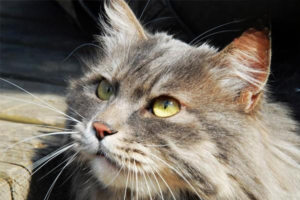
What to Do About Your Cat Shedding
Shedding is usually normal—seasonal coat changes, but also ringworm, too much dietary salt, or poor nutrition. Brush daily through the molting season and give hairball paste, cut salt and human food, feed balanced nutrition, and see a vet for suspected ringworm.

Why Rabbits Lose Fur
Rabbit fur loss usually points to poor nutrition, mange mites, ringworm, or bacterial skin disease — each with its own treatment, from mineral supplements to antiparasitics and antifungals. Clear away loose fur and check feed for trapped hair so the rabbit doesn't swallow it.