Search Results
295 results for “liver support”
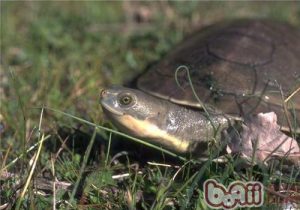
Emydura australis (Australian Big-headed Turtle)
The Australian big-headed side-necked turtle is carnivorous and lives in shallow water, aestivating in pond mud during the dry season. In the wild it consumes large numbers of mosquito larvae, making it beneficial to people, though it is rare and its trade is strictly controlled.

Canine and Feline Lymphosarcoma
Lymphosarcoma is a malignant cancer of the lymph nodes and lymphoid tissue that affects both dogs and cats, most often dogs over four years of age. It presents in multicentric, alimentary, and thymic forms, each with distinct clinical signs. While incurable, prompt chemotherapy can extend life from a matter of weeks to 6–24 months.

Canine and Feline Hemangioma and Hemangiosarcoma
Hemangiomas are slow-growing benign tumors of blood vessels, while hemangiosarcomas are aggressive malignant vascular tumors that often spread before signs appear. Common sites include the skin, spleen, liver, heart, and bone, with large breeds such as Great Danes, Boxers, and German Shepherds overrepresented.

Melanomas in Dogs and Cats
Melanomas are pigmented tumors that may be benign or malignant, often in dark-skinned dogs such as Cocker Spaniels and Scottish Terriers. They favor the mouth, eyes, rectum, and perineum, with mucosal sites most at risk. Wide removal is used, but malignant forms carry a poor outlook.

Home Care for Cat Ringworm: Practical, Low-Cost Treatment
Ringworm, or dermatophytosis, is a fungal skin infection in cats caused mainly by Microsporum canis. Mild cases respond to topical antifungals, B-vitamin support, sunlight, and environmental disinfection, while widespread disease needs medicated baths and veterinary-directed oral antifungals.

Canine and Feline Ovarian Tumors
Ovarian tumors are uncommon in dogs and cats and usually arise as a primary growth, most often a granulosa cell tumor in older females. Hormone-secreting types cause persistent estrus, while others simply enlarge the abdomen; surgery is typically curative.

Canine and Feline Seborrheic Dermatitis: Symptoms, Treatment, and Prevention
Seborrheic dermatitis is a disorder of skin lipid metabolism in dogs and cats, producing dry scales, greasy sebum buildup, or inflamed crusted skin. It may be primary (often hereditary) or secondary to parasites, infection, or endocrine disease such as hypothyroidism.

Chlorpromazine Poisoning in Dogs and Cats
Chlorpromazine, a phenothiazine sedative, depresses the brain when overdosed, causing low temperature, agitation, coma and skin reactions. Stopping the drug and supportive care with a respiratory stimulant are the main steps.

Barbiturate Drug Poisoning in Dogs and Cats
Barbiturates used for sedation, sleep or seizure control can depress the brain and heart when overdosed, causing drowsiness, low blood pressure and, severely, coma and breathing failure. Removing the drug and a specific antagonist are the main steps.

Nitrite Poisoning (Methemoglobinaemia) in Dogs and Cats
Nitrites convert red blood cells' oxygen-carrying pigment into methaemoglobin, so tissues are starved of oxygen. Poisoned pets turn blue, seize and can die within minutes; a specific dye antidote reverses it.