Search Results
295 results for “liver support”

Why Your Cat Keeps Getting Thinner
A cat that keeps losing weight can signal parasites, poor diet, stress, aging, or underlying disease. Worms such as roundworms and tapeworms steal nutrients; stale or unappealing food lowers appetite; household changes or an owner's absence cause stress; and digestive, liver, or kidney disease blocks normal nutrient uptake. Older cats naturally eat less as metabolism slows. Have a vet identify the cause, then offer high-protein, high-fat food in small frequent meals, add supplements, and keep a regular deworming schedule to help your cat regain condition safely.

How to Tell If Your Dog Has Canine Distemper
Canine distemper is a highly contagious, often fatal viral disease. Watch for fever around 40°C or higher, cough, runny nose, vomiting, diarrhea, lethargy, and red swollen eyes. These signs overlap with a common cold, but distemper brings higher fever, lost appetite, cough, eye discharge, and labored breathing, while a cold usually does not. If you suspect distemper, isolate the dog at once and see a vet; treatment uses antivirals, antibiotics, and nutritional support, and early care greatly improves the odds. Vaccination remains the best prevention.

CoQ10 for Cats and Dogs: Food Sources, Benefits, and Who Needs It
Coenzyme Q10 (CoQ10, or ubiquinone) is a fat-soluble compound that helps cells make energy and is concentrated in high-demand organs such as the heart, liver, and kidneys. Most healthy pets make enough on their own, but seniors, certain breeds, and pets with heart conditions may benefit from supplementation. This guide covers what CoQ10 does, which foods naturally contain it, which pets are most likely to need a supplement, and the key safety precautions to keep in mind.

Dog CoQ10 Supplements: How to Avoid Empty ‘Placebo’ Products
Not every CoQ10 supplement for dogs actually contains what the label implies. Independent testing has found products that list CoQ10 vaguely, overstate the amount, or contain little that is detectable — so paying a premium does not guarantee a working product. The good news is that a few simple label checks let you tell a genuine, well-absorbed formula from an expensive placebo before you buy.

CoQ10 for Pets: What It Is and How to Choose a Quality Supplement
Coenzyme Q10 (CoQ10) is a fat-soluble compound that helps cells produce energy, and it is concentrated in the heart, kidneys, liver, and brain. As cats and dogs age, their ability to make CoQ10 declines, which is why it is often discussed as a heart-support supplement. This guide explains what CoQ10 does, which pets are most likely to benefit, how to judge a supplement's real quality, and practical feeding tips — so you can make an informed choice instead of relying on marketing claims.

How Long Can a Dog Survive Heartworm
How long a heartworm-infected dog lives depends on infection site and severity, the dog's age and health, and how effective treatment is. Mild cases often recover with medication, while moderate to severe ones may need risky surgery. With proper treatment a dog can live for years; without it, death may come in weeks to months. Seek a vet promptly for diagnosis and care.

CoQ10 for Dogs: Is It Worth the Hype?
CoQ10, or ubiquinone, is a fat-soluble compound that powers the heart and other high-demand organs through mitochondrial energy metabolism. Far from a gimmick, veterinary studies show it can improve heart function in dogs with mitral valve disease and congestive heart failure. This guide explains what CoQ10 does, why it is not a scam, which dogs benefit most, and how to supplement safely—including the drugs it must not be mixed with. It supports care but never replaces prescription heart medication.

Golden Severum
Pineapple cichlids divide into two common varieties: the Golden Severum and the Green Severum. Here we focus on the Golden Severum. It is gentle, easy to keep, not picky but with a big appetite.

Golden Clawed Toad
The Golden Clawed Toad is the popular albino form of the African clawed toad (Xenopus laevis), an entirely aquatic pipid frog from southeastern Africa, widely kept in aquaria and used in research.
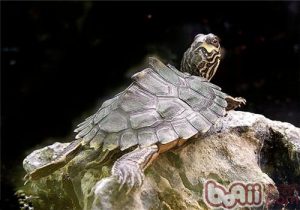
Graptemys pulchra (Alabama Map Turtle)
The Alabama map turtle resembles the red-eared slider in habits, with head striping and a protruding keel. Named for its map-like yellow markings, it feeds mainly on aquatic clams and snails, crushing shells with its hard jaws.