Search Results
295 results for “liver support”

Dog CoQ10 Shopping: Four Checks Before You Buy
CoQ10 supports heart-muscle energy, acts as an antioxidant, and helps with stamina, so it is on many senior and small-breed dog owners' radar. But the market is crowded with weak, vaguely labeled products. Before you buy, check four things: real labeled potency, a combined formula, good absorption, and easy, safe feeding. Here is how to read a label and pick a supplement that actually delivers.

CoQ10 for Senior Dogs and Cats: Spotting the Signs and Picking a Reliable Supplement
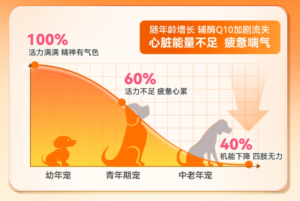
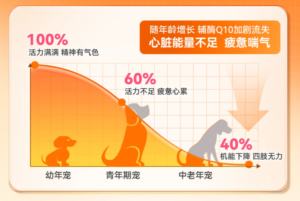
As pets age, their liver makes less CoQ10, and the heart—which has the highest energy demand in the body—feels it first. CoQ10 helps power heart-muscle cells and limit oxidative stress, so a shortfall can show up as tiredness, coughing, or faster breathing. Knowing the warning signs and what a well-built formula contains helps you choose a supplement that actually supports your senior dog or cat.

Cat CoQ10 Buyer’s Guide: Reading Labels and Avoiding the Pitfalls
Roughly 15% of cats develop some form of heart disease, with seniors, flat-faced breeds, Ragdolls, and overweight or inactive cats at higher risk. CoQ10 supports cellular energy in heart muscle, but natural production drops as cats age. When choosing a supplement, the smart move is to read the label and judge the formula—not the marketing. This guide breaks down what to look for and the common traps to avoid.
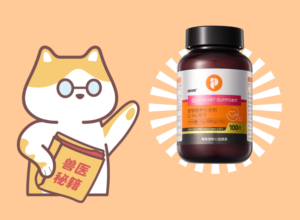
Dog CoQ10 for Seniors and Small Breeds: A Value-Minded Guide
If your dog tires after a few steps, pants often, sleeps longer, or coughs at night, that is not laziness — it is the heart asking for help. Canine heart-disease risk climbs steeply with age (about 10% at 5–8 years, 30% at 8–10, and 45% past 13), which is why CoQ10 is a staple for senior and small-breed care. This guide explains how to judge real value instead of falling for 'cheap' placebos or overpriced imports.
Pet CoQ10 Buying Guide: Look Past the Marketing
Middle-aged and senior pets, overweight animals, and heart-prone breeds such as Ragdoll and Siamese cats, Toy Poodles, Pomeranians, and Cavalier King Charles Spaniels are the ones most likely to need CoQ10. Yet the market is full of products that promise 'high content' with little to back it. This guide cuts through the marketing with the selection criteria that actually matter and the mistakes that waste your money.

Signs of Pregnancy in Guinea Pigs
A pregnant guinea pig stops going into heat and avoids the male. Appetite and belly size grow, the mammary glands swell as milk production prepares, and in late pregnancy the abdomen is obvious and movement slows. Because guinea pigs are small, signs are subtler than in larger mammals. Confirm with a vet if you suspect pregnancy. During gestation, feed high-quality hay and pellets with enough protein, vitamin C, and calcium; keep the space quiet, dry, and warm; watch weight and behavior; limit stress; and stay in touch with a vet for prenatal checks.
Choosing a Pet CoQ10: Skip the Hype, Pick What Works
As pets reach middle and old age, heart care becomes unavoidable — especially for overweight cats and dogs and for breeds prone to heart disease such as Siamese and Ragdoll cats, Toy Poodles, Pomeranians, and Cavalier King Charles Spaniels. CoQ10 is a core heart nutrient and appears in veterinary cardiac plans, but the crowded market makes choosing hard. This guide explains what CoQ10 does and the three points that separate a working product from a hype-driven one.

Dog CoQ10 Industry Reality: What ‘Reliable’ Really Means
CoQ10 is a legitimate heart-support nutrient, but the category is clouded by unclear labeling and inconsistent content. In some markets CoQ10 is not yet an approved pet-feed ingredient, so packages often cannot state it outright, while listings still promise 'high content' with no verifiable amount. This guide explains the transparency problem, the dosing that actually matters, and how to recognize a product that is genuinely reliable.

Is Pet CoQ10 Worth It? Separating Real Value from Hype
CoQ10 is sometimes dismissed as a placebo and sometimes praised as a lifespan extender — the truth is in between. Research and owner experience support a real role in heart-cell energy and antioxidant protection, but a large share of products on the market are mislabeled, so 'buying CoQ10' and 'buying one that works' are different things. This guide explains the evidence, the mislabeling problem, and how to judge true value rather than price alone.
Dog CoQ10 Safety: Three Traps to Avoid When Buying
With CoQ10, 'has some in it' is not the same as 'works,' and 'is CoQ10' is not the same as 'safe.' Many owners shop by headline number and price while missing the safety basics, then feed a product that adds burden rather than benefit. This guide walks through three common traps — questionable raw materials, misleading labels, and harmful additives — and what a genuinely safe dog CoQ10 formula should look like.