Search Results
277 results for “liver supplement”

Choosing a CoQ10 Supplement for Your Pet’s Heart
Pets past about seven years old decline fast, and heart disease is among the highest-risk threats: mitral valve disease and dilated cardiomyopathy in dogs, hypertrophic cardiomyopathy in cats. Early signs—night coughing, panting, purple tongue, exercise intolerance—often mean Stage B2 or C, so the B1–B2 window is the time to act. Alongside prescribed medication, many veterinarians suggest a pet CoQ10 supplement for energy and antioxidant protection. But with crowded shelves, how do you choose? This guide explains what a quality formula should deliver: transparent, well-absorbed dosage; a heart–lung–vessel support blend (rhodiola, krill, astaxanthin, taurine, vitamins, grape powder, folate); palatability and safety for long-term use; and which pets benefit most.

What to Feed a Cat with Poor Liver Function (and What to Avoid)
When a cat's liver is struggling, feed low-burden, high-nutrition food: lean, low-copper proteins (chicken or duck breast), omega-3-rich fish (salmon, cod, sardine), and vitamin-packed vegetables (broccoli, carrot, spinach, pumpkin, blueberry) that aid cell repair. Veterinary liver-prescription diets and a milk-thistle or moringa liver supplement add targeted support. Avoid copper-heavy foods (organ meat, shellfish), high-fat and fried items, sugary or salty treats, and fatty snack packets. Feed small, frequent meals, keep water available, and transition foods gradually. Diet alone is supportive—pair it with a vet's diagnosis and treatment plan.
How to Supplement a Pregnant Guinea Pig’s Diet
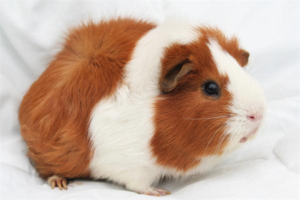
A pregnant guinea pig eats more—that is normal, as she adjusts her intake to feed the growing babies. But overfeeding risks oversized fetuses and a difficult birth, so balance matters. Aim for about 18% protein from quality sources (fish meal, meat-and-bone meal), plenty of calcium, phosphorus, zinc, and iron, and vitamins A, C, D, E, and K. Vary the feed to keep it fresh and appetizing, and raise the daily amount gradually—roughly 10% more in early pregnancy and 20% more later. Keep feed dry, fresh, and mold-free, and watch her appetite, mood, and droppings daily. Good nutrition and management are what produce healthy, lively pups.

Causes and Prevention of Liver Disease in Cats
The liver is the body's largest metabolic and digestive organ, and in cats it is closely tied to the blood, digestion, tendons, and eyesight. Liver disease can arise from nutritional or endocrine disorders, infections, or poisons such as arsenic, mercury, chloroform, and aflatoxin. Early signs are usually digestive, like vomiting, poor appetite, and pale stools, while later stages bring muscle tremors and weakness. Management focuses on the right balance of energy, protein, fat, and carbohydrates, plenty of vitamins, and a light, easily digested diet or a prescription liver formula to support recovery.

Recipe: Chicken Liver Powder Cat Food Topper
Chicken liver powder is a natural topper that makes homemade cat meals more appealing. Slice 500 g of fresh chicken liver and dehydrate it at 68 °C for about ten hours (use a mesh silicone mat for the first few hours), let it cool, then grind it into a fine powder. Store it in a sealed jar in a cool, dry place and stir about one teaspoon (5–10 g) into meals each day. Liver should be only around 5% of a cat's diet, so a little goes a long way.
Foods That Support Your Dog’s Liver
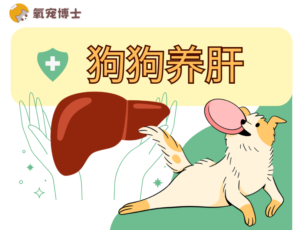
The liver filters toxins, stores nutrients, and makes bile, yet it stays silent until heavily damaged—so daily support matters. Quality protein, cruciferous vegetables, and berries aid detoxification, while milk thistle, dandelion root, and omega-3s protect cells. Just as vital is what to skip: fatty foods, toxic items like chocolate, onion, and grapes, and human medicines that strain or poison the liver. Keep water flowing and weight healthy.

CoQ10 for Senior Dogs and Cats: Spotting the Signs and Picking a Reliable Supplement
As pets age, their liver makes less CoQ10, and the heart—which has the highest energy demand in the body—feels it first. CoQ10 helps power heart-muscle cells and limit oxidative stress, so a shortfall can show up as tiredness, coughing, or faster breathing. Knowing the warning signs and what a well-built formula contains helps you choose a supplement that actually supports your senior dog or cat.

Dog CoQ10 Supplements: How to Avoid Empty ‘Placebo’ Products
Not every CoQ10 supplement for dogs actually contains what the label implies. Independent testing has found products that list CoQ10 vaguely, overstate the amount, or contain little that is detectable — so paying a premium does not guarantee a working product. The good news is that a few simple label checks let you tell a genuine, well-absorbed formula from an expensive placebo before you buy.

CoQ10 for Pets: What It Is and How to Choose a Quality Supplement
Coenzyme Q10 (CoQ10) is a fat-soluble compound that helps cells produce energy, and it is concentrated in the heart, kidneys, liver, and brain. As cats and dogs age, their ability to make CoQ10 declines, which is why it is often discussed as a heart-support supplement. This guide explains what CoQ10 does, which pets are most likely to benefit, how to judge a supplement's real quality, and practical feeding tips — so you can make an informed choice instead of relying on marketing claims.

What to Do for Feline Liver Failure
The veterinarian will perform various tests to diagnose liver failure and rule out other diseases that may cause similar symptoms. Obtaining a complete history, describing clinical signs, and a thorough physical examination are all important methods for reaching a diagnosis. In addition, a liver biopsy is necessary in some cases to obtain a definitive diagnosis. Your veterinarian may recommend the following tests to rule out other diseases and confirm the diagnosis of liver failure.