Search Results
277 results for “liver supplement”

What to Feed a Dog After Whelping
A new mother is drained and needs prompt, balanced nutrition to recover and keep her milk up. Start with glucose water, goat milk, and light salt broth, scale up meat over several days, supplement calcium, and keep her calm and unbathed.

How to Prevent Cat Obesity and Feed an Overweight Cat
Obesity burdens a cat's heart and breathing and invites chronic and liver disease, so do not overfeed for the sake of looks. Cut portions, keep nutrition up with a supplement, and add daily play to slim the cat down safely.

Treating Anemia in Dogs
Dog anemia usually stems from shortages of protein, iron, copper, cobalt, or B vitamins. Feed iron- and protein-rich food, give ferrous sulfate and B-vitamin supplements under veterinary guidance, and add liver or spinach to aid recovery.

Understanding Kidney Disease in Cats
Cats are built to conserve water, so chronic kidney disease is nearly universal in older cats and a leading cause of illness. Watch for early signs like increased drinking and urination, keep water and wet food available, and catch problems early with routine blood and urine tests.

Why Your Cat Has Intermittent Fever
Intermittent fever in cats usually signals an underlying disease, and most recurring-fever cases turn out to be feline infectious peritonitis, or FIP. Diagnosis relies on blood and urine tests, and FIP needs continuous, consistent treatment supported by good nutrition.

How to Care for a Pet with Arthritis
Arthritis is a progressive joint disease affecting most older dogs and cats, causing pain and reduced mobility. Management centers on weight control, appropriate anti-inflammatory medication, and joint supplements, and prevention through early supplementation beats treatment.
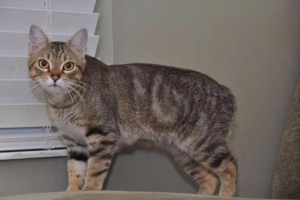
Feeding a Pregnant Cat: Diet Before, During, and After Birth
A pregnant queen's needs shift hard — her intake climbs to 1.5–2× normal by delivery, so transition her to calorie-dense kitten food over seven days and keep calcium steady. After birth she loses about 40% of the pregnancy weight gain and needs energy-rich, calcium-supplemented food, with free feeding while the litter is large.

How to Read Cat Food Labels and Choose Well
A good cat food starts with animal protein (aim for crude protein at or above 35%) and the right fat band (18–25%), since cats are obligate carnivores that burn protein and fat, not carbs. Keep an eye on the fine print too — calcium near 1.8% with a Ca:P ratio around 1.2:1, magnesium under 0.1%, ash under 6%, and omega-3 at least 1.5% — to protect bones, urinary tract, and coat.

Caring for a Pregnant Cat: What Owners Should Do
A newly pregnant queen needs little beyond her normal routine and good nutrition; keep her active but avoid jumps in the final two weeks, and transition her to kitten food as her belly grows. About a week before delivery, set up a private, safe birthing space with a low-sided nest, nearby food and water, and a prepared breeding kit so you're ready for anything.

Vitamin B Deficiency and Toxicity in Cats
Cats need B vitamins, but the margin matters: too little brings dry coat, weakness, and spasms, while too much — usually from loading up on liver or human supplements — causes gum disease, stiff neck, poor bone growth, and dull coat. Skip human vitamins and liver-heavy diets; if toxicity appears, cut the source and rebalance with vet-guided fluids and calcium.