Search Results
153 results for “lack of pigment”
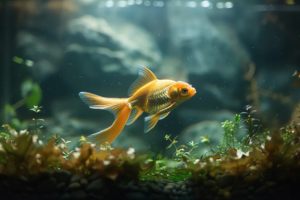
Goldfish Feeding Habits Across Life Stages
Goldfish feeding changes through three stages—larva, juvenile and adult. Matching diet to each stage's needs, keeping protein adequate and water warm (20–28°C) keeps fish healthy and colorful.

Why Is My Turtle’s Poop Green?
Green turtle stool can be normal—often from eating leafy greens—but it may also signal enteritis, especially with lethargy, mucus, or darkening stool. Treat enteritis by isolating the turtle and bathing it in oxytetracycline; severe cases need a veterinarian.

Preventing and Treating Feline Steatitis (Yellow Fat Disease)
Feline steatitis, also called yellow fat disease, is a metabolic disorder usually from too much unsaturated fat and vitamin E deficiency in the diet. This article explains it.

Red Arowana: Morphology and Color-Enhancement Tips
The red arowana's most distinctive feature is the red patch on its gill cover; juveniles are silver with pink scale edges and turn golden-red as adults. Color develops in stages and responds to environment, temperature (26–30°C) and diet — astaxanthin and carotene help, while young chili-red arowanas should avoid color-enhancing foods until their green base deepens.
At What Age Does a Dark Pomeranian’s Coat Change Color?
Most dark-coated Pomeranians start to fade around 6 months of age, which is normal, and the coat color will return later. During this period, the owner can supplement with fish oil and seaweed powder. Lack of light can also destabilize coat pigment, causing fading and a lighter nose, so give the dog some sun.

What to Do When a Blood Parrot Fish Loses Its Red Color?
A blood parrot cichlid that loses its red color is usually responding to insufficient light, poor water quality, temperature stress, or an unbalanced diet. Restore vivid color by keeping the pH at 6.5–7.0, doing regular water changes, feeding color-enhancing food rich in astaxanthin and carotene, providing 2–3 hours of daily light, and holding the temperature near 28°C with swings under 2°C.

Why Is My Cat’s Fur Turning Yellow?
Yellow cat fur usually points to parasites, improper bathing, poor nutrition, or tear stains. Treat parasites, switch to a cat-specific shampoo used at the right frequency, improve the diet, and keep the coat groomed to restore healthy, glossy fur.
What does it mean if a Labrador is disqualified?
Disqualification means the dog's appearance fails breed standards and it cannot be used for breeding, but normal keeping is fine. Pure Labs have cream, brown, or black soft coats and level toplines. Pink noses or docked tails signal disqualification.
How can you increase a Bichon’s melanin?
A Bichon lacking melanin needs trace-element supplements: seaweed powder, lecithin, B vitamins, astaxanthin to promote pigment deposition. Also take it out to exercise and get some sun daily; UV promotes melanin and eases nose fading, but avoid strong UV to prevent sunburn. If the lack is genetic, it is hard to change, so let it be.
Why Is My Dog’s Tongue Turning Purple?
A healthy dog's tongue is light pink; a sudden purple (cyanotic) tongue means low blood oxygen from heart disease, lung disease, tracheal collapse, an airway obstruction, or toxins — and is an emergency. Watch for rapid breathing, low stamina, coughing, or lethargy. Also note pale (anemia) or bright red (heat/stress) tongues. Brachycephalic and toy breeds are highest risk; see a vet at once if the tongue goes purple.