Search Results
48 results for “joint stiffness”
My blue cat walks with a slight limp but is otherwise fine – what should I do?
A limping fold-eared cat can take glucosamine and chondroitin with vitamin D3 or calcium to ease joint pain, but this only slows the inherited disease. For clear pain, a little NSAID helps.
What is a Scottish Fold cat?
A Scottish Fold has ears that fold down close to the head, a round face, and usually white or other coat colors. Notably, the folded ears — though cute — come from a genetic disease. Scottish Folds typically have an inherited bone disease causing abnormal cartilage, showing as joint pain and stiffness from 2–6 months, so schedule regular checkups.
What happens if a dog lacks exercise?
Too little exercise risks obesity and hence heart disease, diabetes, high lipids; long lack brings joint disease (stiffness, hip dysplasia, muscle loss). As social animals they also need activity and socialization, so lack causes stress showing as poor appetite, lethargy, barking, biting.

Siberian
The Siberian Forest Cat, shortened to Siberian Cat, has the earliest written records from the 11th century: it was a very common cat in Russian markets and Siberian villages. Living in a harsh country, it is covered in long fur with a thick ruff around the neck. Its outer guard hairs are hard, smooth, and oily, and its dense undercoat resists the Siberian cold.

Somali
The Somali cat looks much like the Abyssinian—slender, slightly rounded, with big V-shaped ears and almond eyes—but with a semi-long, soft, dense coat. Developed in the US and Canada from a spontaneous long-haired mutation of the Abyssinian, the Somali is intelligent, gentle, playful, and water-loving, though its abundant coat needs regular grooming.

Birman
The Birman, also called the sacred cat of Burma, is a medium-sized cat with the Latin name Birman. Although now distributed worldwide, legend says they once lived only in Myanmar and were kept by temple monks; because they guarded the hall, they are considered temple guardian cats.
Why is my dog’s body stiff?
Stiffness may be muscle fatigue from overexercise, joint problems like arthritis or calcification, muscle strain, nerve issues, or bone deformity. Persistent stiffness needs a vet.

How to Treat Patellar Luxation in Dogs
Patellar luxation causes lameness, pain, skipping while running, a crouched gait, bowed legs, muscle loss, and stiffness, with signs varying by severity. Grades 1–2 often show few obvious symptoms, while grade 3–4 cause clear gait abnormalities that need prompt veterinary care. Mild cases are managed conservatively, while severe cases usually require surgery.

Why Do Dogs Develop Lyme Disease?
Lyme disease in dogs is caused by Borrelia burgdorferi transmitted through tick bites, with only a small fraction of infected dogs showing symptoms such as fever, joint swelling, or kidney issues. A vet confirms diagnosis via blood or urine tests, and treatment centers on a course of antibiotics.
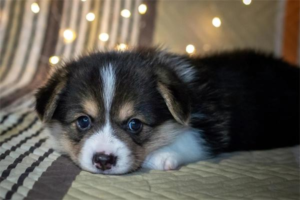
How to Treat and Prevent Lyme Disease in Dogs
Lyme disease in dogs is transmitted by tick bites carrying Borrelia burgdorferi. Prevention focuses on avoiding tick exposure and regular parasite control, while treatment relies on veterinary diagnosis and a course of antibiotics.