Search Results
48 results for “joint stiffness”
Does a Senior Dog Still Need Daily Walks?
Yes — senior dogs still need daily outings, just smarter ones. Gentle, frequent, short walks keep joints lubricated, weight down, and spirits up. Aim for three to four outings of 15–30 minutes of slow walking or swimming instead of one long, hard session.

What Happens When a Cat Is Calcium Deficient?
Long-term calcium shortage can cause bone deformity, joint pain, dental problems, hair loss, muscle twitching, and odd behavior, harming health. Supplement under a vet's guidance with pet calcium tablets or liquid calcium, feed calcium-rich foods, allow safe sun exposure for vitamin D, and encourage exercise.

Early Signs of Osteochondrodysplasia in Scottish Fold Cats
Scottish Folds carry a genetic cartilage disorder (OCD); early signs include growing laziness, a stiff tail that won't bend or swish, odd hind-leg posture, long sits in strange poses, mood changes, and joint pain on touch (especially hind legs). There's no cure, but early care helps: vet checks, anti-inflammatory pain meds plus chondroitin/glucosamine/vitamin D, weight control, gentle exercise, and Omega-3. Any Fold will develop it — just at different ages and severity — so think carefully before breeding or buying.
Why Do Dogs Get Hip Dysplasia
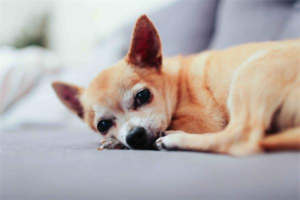
Hip dysplasia (CHD) is a hereditary mismatch between the femoral head and the hip socket, common in large breeds like German shepherds, rottweilers, huskies, labs, and goldens. Signs include lameness, reluctance to move, stiffness, and joint sensitivity, later muscle wasting. Manage conservatively (weight control, limited exercise, joint supplements, NSAIDs) or surgically.

Dog at 7 Is Like a Human at 50: Early Signs of Senior Dog Diseases
At 7, every dog, large or small, has entered its senior years and organs start declining faster. Studies show kidney filtration drops 12-18% and joint cartilage wears three times quicker after 7. Many early signs get mistaken for "normal aging" and missed. Watch for osteoarthritis (stiff rising, hesitant stairs, liking soft beds), dental disease (red bleeding gums, loose teeth, bad breath, favoring soft food), chronic kidney disease (drinking and urinating more, later ammonia breath and weight loss), and cognitive dysfunction (getting lost at home, night waking, forgetting house-training). These diseases can't be cured, but early action slows them and extends life.

Why Do Dogs Develop Cervical Spondylosis?
A dog can develop cervical spondylosis for many reasons, including genetics, poor nutrition, holding one posture too long, overexercise, age, and environment. Some breeds with unusual body shapes are more prone to it. Long-term calcium deficiency weakens the bones, making the cervical spine easier to compress and injure. Older dogs are also at higher risk because of bone loss and weaker muscles. This article explains the common causes of cervical disease in dogs and what symptoms and home care look like once it is diagnosed.

What Happens When a Budgie Is Overweight?
An overweight budgerigar suffers in health, mobility, and quality of life, and its social behavior and breeding ability can suffer too. Extra weight weakens flight, strains the joints (raising arthritis risk), and invites high blood pressure, heart disease, and fatty liver or diabetes from a high-calorie diet. Obese birds may also be bullied by flock mates and struggle to breed. Owners should manage weight with a balanced diet, fewer high-fat foods, more fiber, and ample exercise space with perches and toys. Only a healthy budgie shows its best colors and enjoys a full, happy life.

Why a Dog That Stops Moving in Winter May Have Arthritis
As the deep cold of winter sets in, some owners notice their dog no longer wants to go out or play, blaming the weather, but the real cause may be osteoarthritis. OA affects 30 to 50 percent of dogs and cats and is not only age-related; even young dogs can develop it, with breed, age, sex, weight, and genetics all playing a role. It is a whole-joint disease where cartilage breakdown outpaces repair. Signs include less activity, stiffness after rest, painful swollen joints, and irritability. Management combines weight control, sensible exercise, NSAIDs for pain, and therapy with joint supplements.
What Is Chondroitin for Dogs, and Who Needs It?
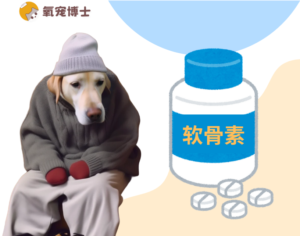
Chondroitin, or chondroitin sulfate, is a natural compound in cartilage that feeds joint cells, locks in joint fluid, and calms inflammation. Healthy young dogs get enough from food, but seniors, large breeds, dogs with joint-prone genetics, the obese, and hard-working dogs benefit from supplements—ideally paired with glucosamine and omega-3. It supports, not replaces, veterinary care for real joint pain.

Why Do Dogs Develop Rheumatism?
The exact cause of dog rheumatism is unclear, but it is now seen as an autoimmune reaction to repeated streptococcal infection, with cold, damp, rain, and overexertion as common triggers; it often returns during respiratory illness, sudden weather shifts, or after getting chilled. It appears as muscular or joint forms, causing pain, stiffness, swelling, and lameness that can shift around, and it cannot be cured, only managed. Care means a dry warm bed, balanced nutrition with calcium, and limited exercise, with veterinary anti-inflammatory and analgesic treatment during flares.