Search Results
45 results for “inflammatory bowel disease”

Can Pets Eat Beets? Benefits and Safety Tips
Beets are a low-calorie root vegetable that can be a healthy occasional treat for dogs and cats. Learn the potential benefits — fiber, nitrates, betalains — and the precautions to feed them safely.

Do Cats Fart?
Cats do pass gas, usually silently and nearly odorless. Diet is the usual cause of smelly, frequent gas, but pairing it with appetite loss, vomiting, or diarrhea means a vet visit.
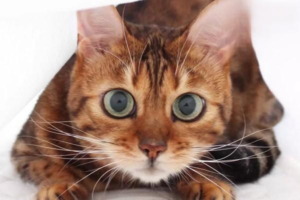
Why Cats Get Soft Stools and Diarrhea — and How to Help
Most recurring soft stools in cats trace back to food — intolerance, allergy, or a too-fast diet change — on top of a naturally delicate gut. Slow transitions and the right gut support resolve many cases without a trip to the clinic.
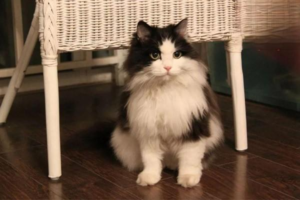
What You Should Know About Vomiting in Cats and Dogs
Vomiting in pets splits into physiologic, from eating too fast or wrong food, and pathologic, from disease. Causes range from diet and gut issues to toxins and organ disease, and the timing of vomiting hints at the source, so see a vet when signs persist.

Which Foods Can Boost Your Dog’s Immunity?
A few people-foods safely boost a dog's immunity: blueberries (antioxidants, brain support), red bell peppers (vitamin C, heart help — but skip for arthritic dogs since they're nightshades), bananas (potassium, fiber, immunity), and cantaloupe (hydration, vitamins, anti-inflammatory). Always peel and deseed, feed in moderation, and remember dogs are carnivores — these are supplements, not the main diet.

Intestinal Intussusception in Dogs: An In-Depth Guide
Intussusception occurs when one segment of the intestine telescopes into an adjacent section, most often in the small intestine. A complete blockage can cause acute, severe symptoms and even shock or death. Recognizing the causes and diagnostic steps helps your vet treat it before it becomes life-threatening.

What to Do When Dogs and Cats Have Diarrhea? Keep These Fast Antidiarrheals on Hand
The medical term for diarrhea is diarrhea, which usually refers to changes in bowel habits and stool characteristics, generally manifested as frequent defecation, increased stool volume, loose stools, and bloody stool. Most diarrhea in dogs and cats is caused by gastrointestinal discomfort, but it may also be a concurrent symptom of other diseases. Today we discuss knowledge about diarrhea in dogs and cats.

Fever in Dogs and Cats: Causes, Detection and How to Reduce It
Fever in dogs and cats can stem from infections or non-infectious issues like heatstroke and post-vaccine reactions. Learn how to take your pet's temperature, recognize fever signs, and safely reduce fever with cooling and vet-approved medication.

Are You Also Troubled by Your Dog’s Bad Breath?
There are many and varied causes of dog bad breath—oral and dental disease, respiratory infection, or even precursors of digestive or systemic disease. Here we explore the causes and some tips to eliminate it.

Why Do Dogs Develop Cervical Spondylosis?
A dog can develop cervical spondylosis for many reasons, including genetics, poor nutrition, holding one posture too long, overexercise, age, and environment. Some breeds with unusual body shapes are more prone to it. Long-term calcium deficiency weakens the bones, making the cervical spine easier to compress and injure. Older dogs are also at higher risk because of bone loss and weaker muscles. This article explains the common causes of cervical disease in dogs and what symptoms and home care look like once it is diagnosed.