Search Results
45 results for “inflammatory bowel disease”
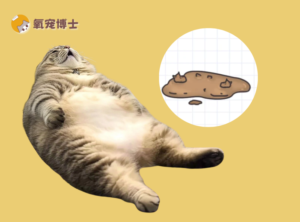
Cat Has Chronic Diarrhea? It’s More Than a Sensitive Stomach
Long-term diarrhea in cats is rarely just a 'delicate stomach' you can fix by swapping food or adding probiotics. Diet and food allergy are common, but so are parasites (some needing specific drugs), inflammatory bowel disease, and metabolic diseases like pancreatitis, hyperthyroidism, or kidney disease. Stress is a third driver. Work through the causes step by step and let a vet run the right tests.

Why Has Your Cat Suddenly Lost Its Appetite?
A cat that stops eating may just be bored with its food, stressed, or reacting to heat or vaccines—but it can also signal dental pain, pancreatitis, kidney disease, or a blockage. If the slump lasts more than two days, assume a medical cause and see a vet. A sudden increase in appetite can mean diabetes, hyperthyroidism, or parasites.
Why Your Cat Vomits Yellow Foamy Liquid
When a cat vomits yellow fluid, there is surely a stomach or intestine problem. There are many causes - mild and severe. Generally causes include gastroenteritis, intestinal parasites, viral infection, and nervous system disease and liver-kidney-pancreas problems. For such complex causes, generally judge by the cat's symptoms to know the reason, so as to treat correctly. Today we discuss several causes of cats vomiting yellow fluid.

Dog Diarrhea: Causes and What to Do
Normal dog stool is formed brown 1-2 times daily; diarrhea is soft/watery, more frequent, sometimes with blood or odor, and low energy. Causes range from diet and stress to viruses, bacteria, parasites, IBD, and tumors; fast, probiotics, and vet care by severity.

What to Do When Cats and Dogs Have Diarrhea and Won’t Eat
When the weather turns cold, pets need more energy to stay warm, and while supplementing their nutrition it is equally important to pay attention to their gastrointestinal health. Diarrhea is a common digestive symptom in dogs and cats, and it is also a frequent ailment in dogs and cats during autumn and winter.

Why Is My Cat Suddenly Losing Weight?
Unexplained weight loss — common in older cats — can signal poor intake, gut disease, diabetes, hyperthyroidism, organ failure, or tumors. Even a normal-eating cat that loses weight should see a vet promptly.

Dog Diarrhea: Causes and Treatment
Healthy dogs pass firm, brown stools one to two times a day. Diarrhea — loose, watery, or bloody stools with a strong odor — signals an underlying problem. Causes range from mild dietary upset to infections, parasites, IBD, and other diseases, so persistent or severe cases need a vet.

Best Medications for Cats with Colitis and Blood in Stool
If your cat is mentally normal with a normal temperature and no loss of appetite, but frequently passes soft or even watery stools with a foul, fishy odor, it may have colitis. Feline colitis is often related to viruses and parasites, and requires prompt identification of the cause and treatment to avoid dehydration or even death. Today we walk you through the treatment of feline colitis.
My cat started vomiting white foam last night and is weak all over; sometimes it cannot bring anything up. What is wrong?
Vomiting white foam with limb weakness in a cat is considered likely caused by poisoning and requires urgent veterinary care. Many causes exist, but foamy vomiting with whole-body weakness should first rule out toxic poisoning.
Golden Retriever, 3 months, 15 jin, lively but soft stools, not gaining weight, pale gums despite supplements
Soft stools after overeating may be indigestion or digestive diseases such as pancreatitis or enteritis. An overly greasy diet or excess additives can also soften stools.