Search Results
45 results for “inflammatory bowel disease”

Why Is My Dog Pooping Blood?
Blood in a dog's stool can signal diet issues, digestive disease, parasites, viral infection, tumors, or injury. Swallowing sharp bones, IBD, worms, or parvovirus/distemper can all cause bleeding and need a vet's diagnosis. Strict diet management plus regular vaccination and deworming are the main ways to prevent it.

Is It Normal for a Dog’s Stomach to Rumble Loudly?
A rumbling dog stomach is usually the normal sound of intestinal movement, medically called 'borborygmi.' As food passes through, the gut contracts and expands, producing the noise. But improper diet, extreme hunger, sudden food changes, gas-producing foods, or intense exercise can make it louder. If the rumbling comes with soft stool, diarrhea, vomiting, obvious bloating, frequent hiccups, lethargy, or poor appetite, the gut is likely troubled—see a vet promptly.

How to Manage a Cat’s Frequent Soft Stools
Frequent soft stools usually come from a sudden food change, allergy, bad food, parasites, or gut-flora imbalance. Keep a food diary, switch foods over 7 days, add a cat probiotic, cut environmental stress, and deworm regularly; if it persists with weight loss, a fecal test and prescription diet may be needed.
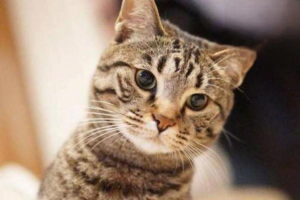
Why Your Cat’s Diarrhea Persists Despite Probiotics
It is a common story: your cat has soft stool or diarrhea, you reach for a probiotic, and the problem does not go away. Probiotics can help the gut, but they are not a cure for every loose stool, and not every product on the shelf is what it claims to be. Understanding why they sometimes fail points you toward the real fix.

How to Prevent Gastric Ulcers in Dogs
A gastric ulcer in dogs is a chronic sore between the cardia and pylorus that can penetrate the full thickness of the stomach lining, and most cases trace back to serious illness such as kidney failure or tumors. They arise from stress, drug side effects (especially NSAIDs and steroids, with ibuprofen especially dangerous), excess acid, poor feeding, or toxins and other diseases. Signs include vomit that looks like coffee grounds, belly pain, weight loss, and black tarry stools. Diagnosis uses blood work, X-ray, ultrasound, and endoscopy, and treatment targets the cause while curbing acid with antacids and acid blockers.

Cat Health Checkup Guide (Part 1)
For most cat owners, regular checkups are essential yet confusing: how do you get a cat to the clinic, and which tests actually matter? This first part covers preparation before the visit and the exams most relevant to each life stage and breed, helping you make sense of a stressful process.

Lactose Intolerance in Dogs and Cats
Lactose intolerance in dogs and cats is the inability to digest lactose in milk and dairy products because of low lactase activity in the intestinal lining. It causes osmotic diarrhea, abdominal discomfort, and a gurgling abdomen after dairy is consumed, and resolves simply by removing dairy from the diet.

Colitis in Dogs and Cats
Colitis is inflammation of the colon that causes acute or chronic diarrhea in dogs and cats, often with straining, mucus, and blood in the stool. Treatment combines anti-diarrheal and anti-inflammatory medication with dietary management.

What to Do for Anemia in Cats
Anemia refers to a low red blood cell count. It can be caused by many different blood problems, including blood loss, damaged red blood cells, and insufficient red blood cell production.

Dog Bloating and Loss of Appetite
Bloating refers to the symptom of a dog's stomach and intestines swelling due to excessive gas production. Flatulence generally refers to the process of expelling excess gas from the body. Gas from flatulence is mainly expelled through the anus.