Search Results
2323 results for “inflammation”

What to Do About Prolonged Postpartum Lochia in Dogs
As we know, after birth a dog sheds the afterbirth; the residual blood and turbid fluid in the womb is called 'lochia.' Weak uterine contraction, uterine fatigue, endocrine disorder, local inflammation, or retained placenta are the main causes of incomplete postpartum lochia.

Is a Dog Drooling Mucus a Sign of Distemper?
Is dog drooling mucus a sign of distemper? Many owners fear distemper when they see mucus from the mouth, but is it 100% certain? Actually no - drooling is only one symptom of distemper. Owners can check for other distemper signs or do a distemper test strip before judging. Many other things cause drooling: oral inflammation, stomach discomfort, and teething puppies all drool; judge by the symptoms.

What to Do When Your Puppy Has Excessive Tearing
A puppy's excessive tearing may be caused by food that is too salty, eye inflammation, or ingrown eyelashes. Generally you need to improve the diet and feed lighter food. If the dog's eyes are inflamed, use ointment; if it is ingrown eyelashes, surgery at the hospital is needed.

Understanding Why Dogs Eat Grass
It is normal for a dog to eat grass during a walk; this is a normal activity for dogs, and you need not worry about the dog's appetite or bowel movements.
Understanding Why Your Dog Produces Excessive Eye Discharge
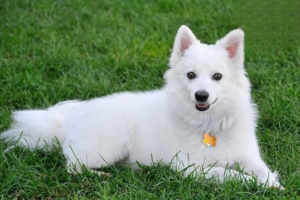
When inflammation occurs in a dog's eyeball or around the eye, tears or eye discharge will appear. The dog may blink frequently, lash growth can become abnormal, and dogs whose eyes are irritated will show the same symptoms.
Why a Puppy Has Bloody Diarrhea and How to Treat It
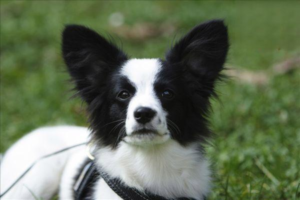
Dogs add a lot of joy to our lives, and many people become healthier with a dog's company. Puppies are as important to most dog owners as family, and when they get sick the owner suffers most. Recently an owner asked why a puppy has bloody diarrhea; we have compiled the relevant information to share.

Dog Urinary Stones: Symptoms and Treatment
Canine urolithiasis is a common urinary disease, more often seen in older and senior dogs. Dogs with urinary stones are in great pain, showing difficulty urinating, blood in urine, and painful urination. Severe cases can endanger the dog's life and health, so owners should take the dog to the hospital promptly when they notice difficulty urinating, to avoid the condition worsening.

Symptoms of Internal Heat in Dogs
When a dog shows signs of internal heat, do not focus only on diet; give a cooler environment and some heat-clearing medicine, though diet is the main way to cool the dog down.

Clinical Signs of Canine Distemper
Canine distemper is a disease that requires prompt treatment; without timely care, severe symptoms appear and the pet's vital signs weaken. Vaccination against distemper should be done regularly. The schedule is: first vaccination at 50 days of age, second at 80 days, third at 110 days, then once a year thereafter. Many core vaccines are on the market - six-in-one, five-in-one, and three-in-one - but the six-in-one vaccine is recommended as it protects against more viruses.

Ear-Canal Diseases in Pets: Treatment and Prevention
Ear-canal disease is an infection inside the ear — sounds minor, but you may regret not preventing and caring for it. That's no reason to ignore it!