Search Results
2323 results for “inflammation”

Is an Occasional Dog Cough a Sign of Heartworm
An occasional cough is not automatically heartworm. Coughing has many causes: respiratory infection, parasites, heart disease, allergies, or excitement, and temporary irritation from smoke, dust, or pollen that eases once the trigger is gone. Heartworm does commonly cause coughing, but also brings labored breathing, weight loss, and odd heartbeat. If those appear with the cough, see a vet promptly for diagnosis and care.
What should I do if my cat’s ear is inflamed and oozing pus?
If your cat's ear is inflamed and oozing pus, take it to a vet promptly so the discharge can be examined and the cause identified. It may be otitis externa or otitis media; mild externa is managed by cleaning and medicating as directed, while more serious media needs a culture/sensitivity test to pick the right drug before regular cleaning and treatment.

The Dangers of Dental Tartar in Dogs
Dog tartar is hard buildup of bacteria and food debris along the gumline. Left alone it drives gingivitis, bad breath, loose or lost teeth, mouth infection, periodontal disease, respiratory infection, and even whole-body issues like heart, kidney, and diabetes risk. Prevention means regular brushing, dry food over wet, and limiting sugar and starch. Severe cases need a professional dental cleaning, and badly loose teeth may require extraction.
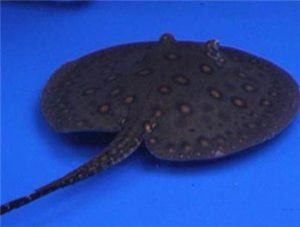
Pearl Stingray
The Pearl Stingray (Potamotrygon motoro), also called the Amazon River Stingray, is a common stingray in aquariums. Its charming pattern of round cream spots like pearls gives the name 'Pearl Stingray'.

Razor-backed Musk Turtle
The Razor-backed Musk Turtle (Sternotherus carinatus), affectionately called the 'razor' or 'little razor,' has a uniquely keeled, roof-like carapace. A common and easy musk turtle, it is active and interactive with keepers.
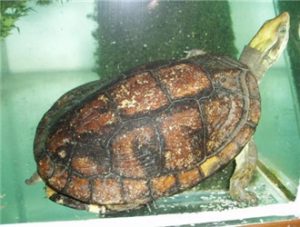
Pan’s Box Turtle
Pan's Box Turtle (Cuora pani) is a small, China-endemic box turtle and a Class II nationally protected species. Rare in the wild and in trade — individual animals can fetch tens of thousands of yuan — it is a prized but legally restricted species that should only be kept where explicitly permitted.
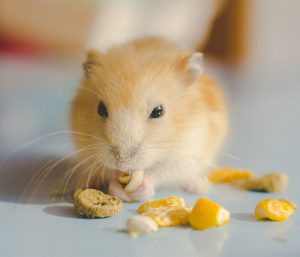
Winter White Dwarf Hamster (Milky Tea morph)
The 'milky tea' hamster is a coat-color morph of the Winter White dwarf hamster (Phodopus sungorus), named for its even, milk-tea-colored back. Some show the 'winter white' effect, turning silvery white in cold weather and reverting when warm. It is one of the prettiest of the dwarf hamsters and good for beginners.

Angora Rabbit
The Angora Rabbit is the fluffy 'grass-mud rabbit' kept for its superfine wool (11 microns, finer than cashmere). Gentle but high-maintenance, it needs shearing every 3–4 months and constant hay to avoid deadly wool block (hairball impaction). Lifespan about 5–7 years.
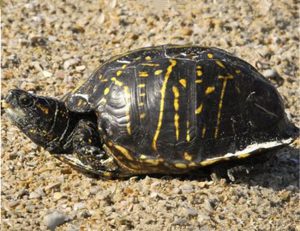
Common Box Turtle
The Carolina box turtle (Terrapene carolina) comprises six subspecies distinguished by their shell patterns and named for its box-like shell. Ranging from eastern North America through Canada and Mexico, this largely terrestrial, omnivorous turtle is exceptionally long-lived, though habitat loss has driven population declines.
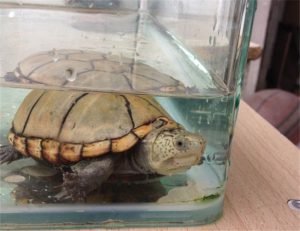
Kinosternon alamosae (Alamos Mud Turtle)
The Alamos mud turtle lives in aquatic-rich habitats and unique ponds, retreating into mud to aestivate during dry periods. In the wild it eats insects, small shrimp, and other invertebrates, and is a shy turtle that withdraws into its shell when threatened.