Search Results
2323 results for “inflammation”
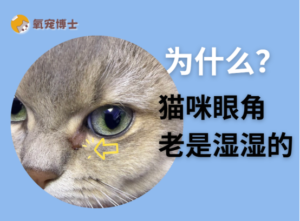
Why Are My Cat’s Eyes Always Wet?
Constant wetness at a cat's eye corners is usually harmless tear pooling—after waking, mild dust, or the narrow tear ducts of flat-faced breeds like Exotics and Persians. But it can also signal conjunctivitis, keratitis, a blocked tear duct, or irritating fur. Yellow-green pus, swelling, or sneezing with poor appetite means a vet visit. Start with gentle cleaning and a few days of observation.

Can a Guinea Pig Cold Heal on Its Own?
A guinea pig cold rarely clears by itself. Unlike a human cold, it comes from different pathogens and the animal's immune defense is weak, so treatment is usually needed to ease signs and aid recovery. Symptoms are sneezing, clear nasal discharge, more eye discharge, lost appetite, and low spirits. See a vet early for diagnosis and the right antibiotics or supportive care; keep the cage warm and clean, offer vitamin-C-rich easy food, and ensure fresh water. Never medicate on your own, as wrong drugs can harm the pig.

What to Do When Your Cat’s Voice Is Hoarse
A hoarse cat can result from infection, a cold, laryngitis, or strained vocal cords. Watch for fever, cough, sneezing, or runny nose; if present, a vet-formulated cold and anti-inflammatory remedy may help, and severe cases need a clinic. With no other signs, give plenty of water and soft food to ease throat irritation, keep the cat undisturbed to rest, and away from smoke, chemical odors, and dust that aggravate the throat. Most cases are temporary and improve with rest and humidity.
Will a queen cat’s milk swelling (engorgement) go away on its own?
Mild cases usually resolve. Help by hand-expressing, then warm compresses 5-10 min daily for a week. See a vet if inflamed, red, or ulcerated.

Why Are Your Cat’s Eyes Red?
Red eyes in cats have many causes, including injury, foreign objects, ingrown lashes, keratitis, corneal damage, and new corneal blood vessels, each needing different care. If you see redness, check for debris and rinse with saline, then use a pet eye drop; if redness comes with other signs, see a vet. Conjunctival congestion from conjunctivitis or corneal injury eases with decongestants, while deeper ciliary congestion from severe corneal damage, uveitis, glaucoma, or tumors needs diagnosis. Viral colds with eye redness also bring sneezing and discharge.

Why Do Dogs Develop Rheumatism?
The exact cause of dog rheumatism is unclear, but it is now seen as an autoimmune reaction to repeated streptococcal infection, with cold, damp, rain, and overexertion as common triggers; it often returns during respiratory illness, sudden weather shifts, or after getting chilled. It appears as muscular or joint forms, causing pain, stiffness, swelling, and lameness that can shift around, and it cannot be cured, only managed. Care means a dry warm bed, balanced nutrition with calcium, and limited exercise, with veterinary anti-inflammatory and analgesic treatment during flares.
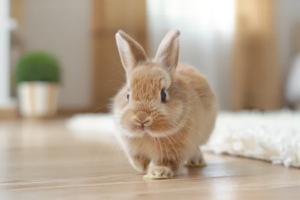
Common Urinary Tract Diseases in Rabbits
Rabbits often face urinary infections, urethral stones, and bladder stones, mostly from bacteria, low water intake, or too much calcium, while unspayed females are prone to uterine cancer. Infections show as incontinence and leaking; stones cause painful urination, blood, curling, teeth grinding, and can fully block the urethra. Bladder stones need fluid flushes and repair; urethral stones require surgery; uterine cancer needs tumor removal plus medication. Lower the risk by spaying early, keeping the habitat clean, ensuring ample water, and balancing the diet to avoid excess calcium.

Why Your Cat’s Eyes Keep Getting Inflamed
Frequent feline eye inflammation often starts with a dirty, dusty home that lets bacteria or fungi take hold, or with injuries from branches and grass during play. Allergies to pollen, dust, or food can trigger it, and some cats are born with eyelid deformities like entropion or ectropion that invite infection. Have a vet confirm the cause and treat with medication or surgery when needed. At home, keep the environment clean, limit outdoor risks, and wipe the eyes regularly with saline to cut down on dust and bacteria.

CoQ10 for Pets: What It Is and How to Choose a Quality Supplement
Coenzyme Q10 (CoQ10) is a fat-soluble compound that helps cells produce energy, and it is concentrated in the heart, kidneys, liver, and brain. As cats and dogs age, their ability to make CoQ10 declines, which is why it is often discussed as a heart-support supplement. This guide explains what CoQ10 does, which pets are most likely to benefit, how to judge a supplement's real quality, and practical feeding tips — so you can make an informed choice instead of relying on marketing claims.
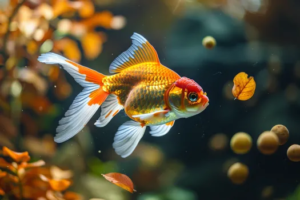
4 Common Goldfish Diseases and How to Treat Them
Goldfish commonly face white spot disease, pinecone (dropsy) disease, print disease, and hemorrhagic disease. Lower the risk with good, stable water quality, steady temperature, and avoiding stress and physical injury. Keep water clean with regular changes and enough oxygen, and adjust temperature with the weather. Healthy water is the foundation of goldfish health.