Search Results
2323 results for “inflammation”

Senior Dog Vision Fading? Foods That Protect the Eyes
Eye disease is common in dogs—conjunctivitis, keratitis, glaucoma, cataracts—and over half of dogs past ten develop cataracts. Diet can slow that decline. Vitamin A from liver and carrot supports night vision; antioxidants like lutein, vitamins C and E, and anthocyanins guard the retina; omega-3 from fish eases dryness. Avoid overdoing vitamin A or raw food, and get seniors checked yearly.

Canine Hip Dysplasia: A ‘Destiny’ for Large Breeds?
Hip dysplasia is a hereditary joint fault where the ball and socket fit poorly, loosening the joint and eventually causing arthritis. Large breeds like Golden, Lab, and Shepherd are most at risk. Early signs are subtle—occasional hind-limb limping, slow rising, reluctance on stairs—while advanced cases show a swaying gait and muscle loss. X-rays and PennHIP confirm it; weight control, gentle exercise, joint supplements, and vet-guided pain care slow its course.
What Is Chondroitin for Dogs, and Who Needs It?
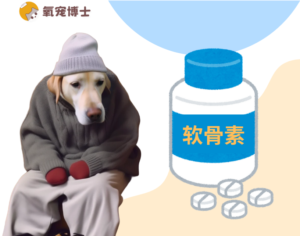
Chondroitin, or chondroitin sulfate, is a natural compound in cartilage that feeds joint cells, locks in joint fluid, and calms inflammation. Healthy young dogs get enough from food, but seniors, large breeds, dogs with joint-prone genetics, the obese, and hard-working dogs benefit from supplements—ideally paired with glucosamine and omega-3. It supports, not replaces, veterinary care for real joint pain.
Foods That Support Your Dog’s Liver
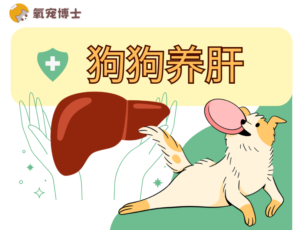
The liver filters toxins, stores nutrients, and makes bile, yet it stays silent until heavily damaged—so daily support matters. Quality protein, cruciferous vegetables, and berries aid detoxification, while milk thistle, dandelion root, and omega-3s protect cells. Just as vital is what to skip: fatty foods, toxic items like chocolate, onion, and grapes, and human medicines that strain or poison the liver. Keep water flowing and weight healthy.
How to Care for a Dog with a Sensitive Stomach
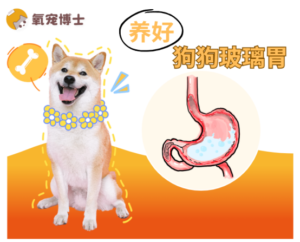
A weak gut hurts more than digestion—it drags down nutrient uptake and immunity. Causes range from sudden diet changes and parasites to infection, chronic gut disease, and stress. The fix is a gentle, single-source diet on a fixed schedule, a careful transition to new food, light toppers like pumpkin or boiled chicken, and pet probiotics. Keep the belly warm and add gentle exercise; see a vet for persistent vomiting, blood, or lethargy.
Cat Scratch Disease: A Zoonosis You Should Know
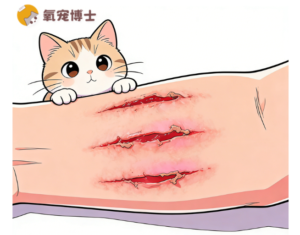
Cat scratch disease is a bacterial infection from Bartonella henselae, passed mainly by a cat's scratch or bite. Cats carry it without symptoms, but people can develop a red bump, swollen lymph nodes, and fever. Most cases are mild and self-limiting, yet antibiotics help when symptoms are strong. Wash any scratch well, and see a doctor if signs appear—especially for children and the immunocompromised.
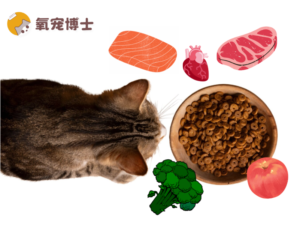
What to Feed Your Cat for a Healthy Heart
A cat's heart health rests heavily on diet. Taurine, omega-3s, L-carnitine, and vitamins E and C are the nutrients that protect the myocardium and slow decline—found in organ meat, lean poultry, salmon, and vegetables like broccoli and spinach. Just as important is what to avoid: salty, fatty, and high-cholesterol foods that strain the heart. Senior and high-risk purebred cats need regular checkups at the first sign of breathlessness.

Why Is Your Dog Suddenly Drooling a Lot? 4 Causes to Watch
Dogs pant to cool off, so some drool on a hot day is normal. But sudden, heavy salivation in normal temperatures can signal trouble. The causes worth flagging are oral disease, poisoning, heatstroke, and neurological problems, with severe kidney or liver disease and even rabies as grave possibilities. Teething, car sickness, or excitement explain milder cases. When drooling pairs with collapsing, seizures, or suspected toxin exposure, head to the vet at once.
What medication should I give my dog for mouth ulcers?
Mouth ulcers have different causes needing different treatment. For trauma-based ulcers, metronidazole and an oral antibacterial spray can relieve inflammation. If it doesn't improve or other symptoms appear, see a vet.
Will my cat’s red, swollen gums heal on their own?
Whether red, swollen gums heal on their own depends on the cause and severity. Trauma-related swelling may self-heal; viral, immune, or serious disease usually won't. For mild cases, an anti-inflammatory oral spray helps; with other symptoms, see a vet.