Search Results
2323 results for “inflammation”
Why Dying Cats Stare at Water
A cat fixated on water near the end of life often reflects kidney failure, instinctive seeking of cool, safe water, or parasites raising temperature. It resembles a final rally and means the cat is at death's door; if you see it, a vet visit may still help.

Understanding Hypothyroidism in Cats
Feline hypothyroidism means the thyroid gland in the neck does not make enough hormone, slowing the whole body's metabolism. Signs include low energy, poor cold tolerance, slow wound healing, fragile skin, hair loss, weight gain, high blood fat, and anemia. It is an autoimmune disease, hard to prevent, and usually lifelong, managed with daily thyroid hormone pills. It is very rare in cats but common in dogs, and often appears with age.

What Is Pancreatitis in Cats?
Pancreatitis is inflammation of the pancreas, the organ that makes digestive enzymes and insulin. When those enzymes activate in the wrong place, they digest the surrounding tissue and cause serious illness. Cats may show poor appetite, lethargy, diarrhea, vomiting, and belly pain. The disease can be life-threatening, especially in older or weak pets, and may become chronic or trigger diabetes. Treatment centers on fluids, antibiotics, and anti-vomiting care, often in hospital.
What Is Uveitis in Cats?
Uveitis is inflammation of the uvea, the middle layer of the eye, and it can be painful and watery for the cat. Most cases are not from a clear single cause; some stem from eye problems, others from disease elsewhere in the body. Because uveitis can lead to glaucoma and even blindness, it should never be ignored. A slit-lamp and eye-pressure exam confirm it, and treatment usually means anti-inflammatory eye drops. If no underlying illness is found, the outlook is good.
Cat Health Checkup Guide (Part 2)
This second part walks through what actually happens during a cat checkup: the physical, laboratory, and imaging exams. Knowing the routine helps owners make informed decisions and give their cat a more secure, well-supported life.
Why Does Your Cat Have Bad Breath?
A cat's normal scent varies (some say bread, popcorn), but a sudden stink—or a 'bio-weapon' yawn—means trouble. Cats groom constantly, so if the mouth smells, the fur smells after licking. Causes: (1) diet—strong seafood or cans cause brief odor; (2) plaque and tartar from uncleaned saliva and food debris; (3) gingivitis/stomatitis from oral bacteria (red, swollen molars); (4) poor digestion—eating too fast/full with weak enzymes and flora; (5) breath with a urine smell can signal kidney disease. Fixes: switch to healthier food, treat oral inflammation with vet-prescribed antibiotics, brush regularly (make it a habit), use probiotics for digestion, and get periodic dental checks.

Why Can a Dog’s Tongue Stick Out So Far?
The tongue drinks, cools, and signals health. Dogs lap by curling the tongue into a scoop. Their tongue muscles are more elastic than ours, so it flops out easily. For cooling, dogs sweat only from paw pads; they pant with the tongue out, evaporating saliva to shed heat—still weak against summer, so avoid heat. Tongue color hints at health: normal is pink/red; bright red at rest suggests inflammation; a normally pink tongue that turns purple after exercise points to the heart (or heatstroke/poisoning)—see a vet.
Health Checks Every Cat Owner Should Know
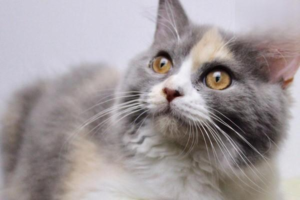
Must-do checks: a baseline exam plus a four-way infectious test (panleukopenia, herpes, calicivirus, coronavirus) for every new cat—do it early, before symptoms turn deadly. Antibody tests suit cattery-bought kittens. Pre-surgery bloodwork matters for seniors; post-illness rechecks and fecal/SAA/urine tests catch parasites, inflammation, and urinary disease. Skip unnecessary ones: toxoplasma testing is mainly for pregnant households, and X-rays are for swallowed objects or fractures.
What to Do When Your Cat Has a Sensitive Stomach
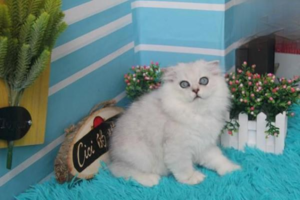
Vomiting has clear causes: regurgitated kibble means eating too fast or too much (slow it with set meals; soften for kittens); hairballs need daily brushing and cat grass; bile from an empty stomach needs small frequent meals; blood means inflammation or a sharp object—go to the vet. For soft stool, withhold food and water a day and give probiotics. Underlying causes include skipped deworming (internal every 3 months, external monthly) and bad habits: too many salty snacks, abrupt food changes (transition over 7 days), and mixing new food into old.

Why Is My Dog’s Stool Soft or Unformed, and What Helps?
Soft, unformed stool in dogs has several causes, from a simple upset after the wrong food to gastroenteritis, parasites, or even a viral infection. The right response depends entirely on the cause, so guessing at medicine can waste time. This guide walks through the four common reasons—indigestion, gut inflammation, internal parasites, and viruses—and the matching treatment, from probiotics to a timely trip to the clinic.