Search Results
2323 results for “inflammation”

Cat Upper Respiratory Infection: Symptoms and Treatment
A cat upper respiratory infection is inflammation of the mucous membranes of the upper airways. Affected cats typically cough, sneeze, and have a runny nose, sometimes with yellow nasal discharge, and a sudden drop in temperature, poor nutrition, or stress can trigger an outbreak. The usual culprits are viruses such as herpesvirus and calicivirus, bacteria such as Chlamydia, and fungi such as Cryptococcus. This article covers the common pathogens, how viral, bacterial, and fungal infections differ in their signs, what else can mimic these symptoms, and the supportive care and medications veterinarians rely on to treat them, from keeping the eyes and nose clear to antiviral, antibiotic, and antifungal therapy.
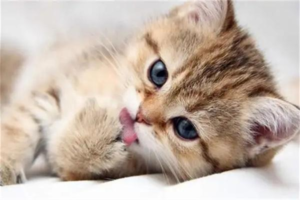
Why Is My Cat Drooling?
Cats drool for many reasons, from normal relaxation to illness or disease, so judge by the situation and the cat's mood. Drooling during sleep or when the cat is content is usually nothing to worry about. But if the saliva is foul-smelling or comes with other symptoms, watch closely, check the mouth for foreign objects, and if drooling persists with signs of discomfort, see a veterinarian. Common causes include deep relaxation, something stuck in the mouth, outside triggers like food smells, and oral disease such as periodontal problems or stomatitis, which often produce smelly drool.

Adjusting Diet for a Constipated Cat
Little or hard dry stool means constipation; act fast to avoid permanent colon damage. Use a high-fiber or high-protein low-carb plan added gradually, feed small frequent meals, boost water with syringing or moist foods and honey water, and add fruit and vegetables for vitamins and fiber. A quality freeze-dried recipe with chicken, fish, and milk powder supports metabolism.

Why Is Your Dog Drooling So Much?
A dog that drools a lot is not always just greedy. Drooling has many causes, and often it is a signal of illness worth noting. It may be dental problems or teething, a throat obstruction or injury, fear and anxiety, overheating, old age, or even car sickness. Most drooling is normal behavior, but if disease is suspected, see a vet.

Treatment for Corneal Ulcers in Cats
A vet diagnoses a cat's corneal ulcer with a full eye exam and fluorescein staining, though finding the cause can be tricky. Possible triggers include abnormal lashes, eyelid faults, dry eye, feline herpesvirus, and uveitis as a complication. A thorough exam, stain test, tear test, and cultures pin down size, depth, and infection so the right treatment can start.

Preventing Common Spring Cat Diseases
Spring raises two risks. Urinary disease peaks in damp weather, driven by low exercise and water intake; watch for straining and act fast to avoid acute kidney failure. Colds strike with big day-night temperature swings; keep cats warm, dry, and sheltered from drafts, and seek care if they refuse food with a high fever.
Cat Bad Breath, Mouth Ulcers, and Stomatitis
Stomatitis often links to dry food and low water intake. For mild cases, switch to soft food and more water, clean the mouth daily with pet rinse or spray, and watch for worsening. Severe or unexplained cases need a vet, possibly tooth extraction, plus B-complex, anti-inflammatory, spray, and rinse. Rule out virus or foreign objects.

How to Tell If Your Cat or Dog Has Glaucoma
Glaucoma is a common eye disease in cats and dogs where blocked fluid drainage raises eye pressure, damages the optic nerve, and can end in blindness. It always comes with high eye pressure. Signs include a cloudy or enlarged eye, a fixed dilated pupil, vision loss, redness, and head pressing. Diagnosis uses eye-pressure and fundus exams, and treatment ranges from pressure-lowering drugs to, in severe pain, removal of the eye.

Symptoms and Treatment of Gastroenteritis in Dogs
Gastroenteritis is the general name for acute or chronic inflammation of the stomach and intestinal lining. Because dogs and cats are meat eaters, the causes are many, from bacteria, viruses, and parasites to drugs and bad food, so diagnosis must be precise. Most cases show on-and-off vomiting and diarrhea, with foam or yellow bile in the vomit. A vet should treat it early, with care centered on fasting, fluids, nutrition, and stopping the vomiting and diarrhea.

How to Tell If Your Dog Has an Eye Problem
Eye trouble shows as constant cloudy tears, hardened gunk, rubbing or bumping the eye, swollen or red lids, bulging (glaucoma), white clouding (cataracts), or entropion/ectropion. Clean with pet eye drops and wipes daily; correct lids and cornea with vet care. Flat-faced and loose-skinned breeds need extra caution.