Search Results
2323 results for “inflammation”

What Is Feline Glomerulonephritis
Feline glomerulonephritis is an immune-mediated kidney disease that most often affects young male cats. It develops when antibody-antigen complexes are filtered and trapped in the glomeruli, the kidney's tiny filtering units. The result ranges from protein-wasting nephrotic syndrome to chronic kidney failure. Recognizing the signs and the treatment goals helps owners act early.
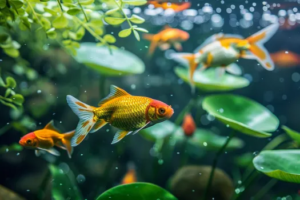
What to Do When Your Goldfish Is Swimming Upside Down
A goldfish floating or swimming upside down is alarming but common, usually caused by poor water quality, overfeeding, low oxygen, cold or fluctuating temperatures, or swim bladder disease. Act quickly to add oxygen and prevent long-term damage from suffocation. Season, temperature, water quality, dissolved oxygen, pH, feeding, and water-change frequency all affect a goldfish's health, so careful husbandry matters. You can relieve mild cases by improving water quality, boosting aeration, and raising the temperature—but if the problem is severe or persists, consult a veterinarian or an aquatic specialist for proper treatment.

What Is Acetaminophen (Tylenol) and Why It Is Dangerous for Dogs
Acetaminophen, sold under brand names such as Tylenol, is a common over-the-counter pain reliever for people. Many dog owners wonder whether it is safe to share a human medicine cabinet with their pet. The short answer is that acetaminophen is not an NSAID, can lower fever and dull pain, but must never be given without veterinary guidance, and is flatly toxic to cats. Understanding how it works and where the real dangers lie helps you avoid a costly and potentially fatal mistake.

What to Do When Your Cat Is Overweight
Many owners find chubby cats adorable, but one extra pound on a cat equals roughly a dozen on a human, and obesity brings real health costs. Cats get fat for clear reasons: modern diets high in starch and energy, free-feeding habits, and neutering that slows metabolism. The dangers include inflammation, heart and lung strain, joint problems and diabetes - even a shorter life. The key to weight loss is not exercise but diet: keep protein high while cutting calories, feed measured timed meals, and stay consistent. Do your homework before putting your cat on a diet.

What to Do When the Skin Around Your Dog’s Privates Is Red
When the skin around a dog's urination area is red, first tell whether it is a male or female. In males it is usually a urinary tract infection; in females it may be a normal heat cycle. If it is inflammation, the dog is uncomfortable and licks often, so fit an Elizabethan collar to stop the licking from worsening the redness. Causes include bacterial UTI and normal estrus, and a vet visit confirms the cause and the right care.

Intervertebral Disc Disease in Dogs
IVDD happens when a spinal disc bulges or bursts, pressing on the cord and weakening the hind legs. Signs range from a wobbly gait to lost knee reflexes and dragging toes, and need prompt care. Treatment blends anti-inflammatory and nerve-support medication with acupuncture and heat therapy, and daily home warmth aids recovery.

Should Your Cat Take Fish Oil?
Fish oil earns its place in a cat's diet: it supports coat health and less shedding, lifts immunity, calms inflammation and allergies, eases arthritis, lowers heart risk, feeds the brain via DHA, and helps prevent skin disease in youth. The key is choosing clean deep-sea oil with high EPA and DHA, not plant-based blends.
What Causes Cat Acne?
Cat acne, often called cat chin acne, is a common skin condition with no fully clear cause, though follicle inflammation and bacterial infection are the main suspects. Cats that eat wet or greasy food are more prone, and flat-faced breeds are at higher risk. It appears on the chin, neck, and face, and if the face is not kept clean, food residue builds up and clogs follicles. Left untreated it worsens. Treatment controls symptoms and removes the cause: ease stress, use topical and oral antibiotics as needed, keep the skin clean, and cut fat and carbs while adding vitamins A and E. Prevention focuses on hygiene and diet.
What to Know Before Getting Your Pet’s Teeth Cleaned
Like people, pets benefit from dental cleaning, which removes tartar and curbs bacterial growth, but they cannot understand the process, and cleaning is not as simple as it is for humans. Tartar speeds gum and bone loss and can loosen teeth early, and mouth bacteria can travel down the gut and stir up digestive trouble. Anesthesia-free cleaning cannot reach below the gum line and risks injury, while proper cleaning under general anesthesia, preceded by blood and organ checks, is safe and thorough. Daily care at home with a pet toothbrush or textured finger sleeve matters most, and human toothpaste must never be used.

How Cats Show Stress and Why It Matters
A trigger can be noise, a stranger, travel, or a move, and each cat reacts differently. Hiding, hissing, even sudden aggression are normal first responses, while deeper stress brings appetite changes, soft stools, or vomiting. Beyond discomfort, strong stress lowers immunity and can unmask hidden disease, so calm, patient handling matters most.