Search Results
876 results for “indoor”

How to Care for Your Cat in Summer
Cats have thick coats and dislike heat, so summer care centers on safe cooling to prevent heatstroke. Move the bed to a cool indoor spot, offer a cooling mat, trim only the paw fur (never shave—UV then damages skin), and keep air flowing with a fan or AC set no lower than comfortable, avoiding big temperature swings. Cats shed heat through their paw pads, so shorter paw hair helps. Hydration matters because fast summer metabolism raises dehydration risk—encourage drinking. Feed fresh food in small portions and clear leftovers fast, since wet food spoils quickly in the heat. These steps keep a cat comfortable through summer.

Can an Unvaccinated Cat Pass Disease to People?
The 'FVRCP' (cat triple) is a common name, not a product - it bundles herpes (cat flu), calicivirus and panleukopenia into one shot; each dose contains all three to build antibodies through repeated shots. None of those three pass to humans; the famous human fatal cat-borne disease is rabies, given separately at the end. Kittens start at 8 weeks, then every 21 days for three shots; indoors-only cats may boost every three years, high-risk ones yearly; rescued strays get an antibody test first. Do not vaccinate under 8 weeks, pregnant cats (use killed only), with worming that confuses gut reactions, or when unwell - and always keep one brand and skip baths.

What Every New Dog Owner Should Know
Bringing a puppy home is exciting, but a few common mistakes can make a dog sick or afraid. The first weeks are about helping the dog settle in safely: hold off on baths and rich foods, keep it on a leash, and don't rush parasite treatment. With the right supplies and a calm start, new owners set their dog up for a healthy life.

How to Care for Your Dog in Summer
Summer heat means preventing heatstroke, but some popular 'cooling' tricks backfire. Shaving a dog's coat or bathing it too often raises the risk of skin disease—the coat actually shields skin from sun and bites. Instead, cool the indoor space, use a cooling mat, trim only the paw fur to aid heat loss, walk at dawn or dusk with water on hand, and shift to lighter meals in small portions. Keep the air flowing, set the AC no lower than 26°C, and clear leftovers before they spoil. Smart, gentle cooling helps your dog sail through the hottest months.
What Every Owner Should Know About Pet Vaccines
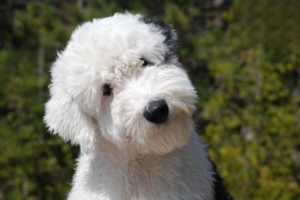
A vaccine is a weakened or inactivated pathogen that teaches the immune system to recognize and fight the real thing, so a later encounter is met with ready-made defenses. The 'two-, four-, six-in-one' labels describe how many diseases one shot prevents, not how many doses. Core dog combos cover distemper and parvovirus, with added parainfluenza, adenovirus and leptospira; rabies is given separately. Puppies start around 4-6 weeks with a series spaced 3-4 weeks apart. Vaccinate only when healthy, keep one brand, avoid baths during the series, and watch for rare allergic signs.

When Spring Makes Your Cat Restless
In heat, a cat grows more active and clingy, reeking of pheromones no bath can wash away, yowling at night and spraying - hard for any owner. But during this time, do not lose your temper and lock it away; isolation can cause depression. Do not push away an over-affectionate cat either, or you hurt the bond. And never spay during heat: wait until it passes, because enlarged ovaries from mature follicles are hard to remove cleanly and the cat may escape and get lost. Keep it safe indoors.
How to Care for a Hermann’s Tortoise as a Beginner
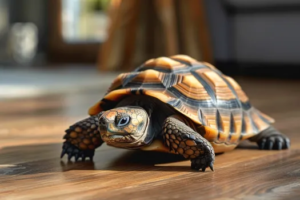
The Hermann's tortoise is a popular, beginner-friendly land tortoise, but new keepers still need to get the environment right. Aim for steady warmth—around 26–32°C by day, 18–21°C at night—using a thermostat to avoid swings, and keep humidity near 40–50%, adding moisture when the air is dry. Plenty of light matters: natural sun is best, while indoor setups need UVB and full-spectrum lamps to support appetite, digestion, and growth. Give the tortoise room to roam plus a hide for security, and wait three days after arrival before offering food so it can settle. A habitat that mimics nature is the foundation of good health.

How to Stop Your Dog From Peeing Everywhere
A dog treats the whole world as its toilet, but at home that is unacceptable - and scolding alone never works because the dog simply does not know. Inappropriate urination has many roots: territory marking (common in adult males), no house-training, revenge moved to the sofa after being yelled at, unclear home boundaries, attention-seeking, fear from abuse, post-neuter incontinence, or illness. The fix is patient positive training: indoor spot training, outdoor training, and never hitting the dog. Holding urine over eight hours harms the kidneys, so leash up and clean up on walks.

How to Walk Your Dog on Rainy Days
When your dog is climbing the walls from being stuck indoors, a rainy day need not mean no walk. Clever owners manage with waterproof booties and raincoats in every size and color, or use a basement or hallway for a quick emergency potty break - leashed, supervised, and with waste cleaned up so you do not disturb others. The key after any rain: dry the coat to prevent skin trouble and wipe the paws to avoid interdigital dermatitis between the toes.

Basic Training Every Dog Owner Should Know
A newly arrived dog brings plenty of challenges, but dogs are highly intelligent and most problems come from simple misunderstanding. With patient training, nearly everything can be solved. This article covers three practical areas: command training (sit, shake, down), resource guarding around food, and housebreaking to a designated spot. Using treats, toys and clear timing, you can teach your dog what you expect. For stubborn cases in large breeds, professional trainers are the safe choice. Consistency and patience are the real secrets.