Search Results
876 results for “indoor”
How can I prevent my Bulldog from overheating?
Bulldogs are short-nosed with narrow airways, so they overheat easily in heat. Avoid midday exercise, always provide cool water, and watch for rapid breathing or high temperature.
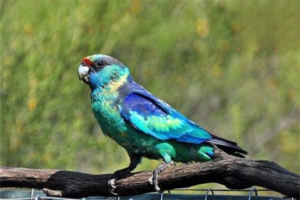
Summer Care Tips for Parrots
Summer is the trickiest season for parrots. Shield them from harsh sun, change water and trays daily, cut oily seed, add a fan, block breeding, and net against mosquitoes - small steps that prevent most summer sickness.

Why Is My Parrot Shivering, and What to Do
A shivering parrot may be chilled, frightened, or parasite-itchy. Warm it above 10 C (at least 5 C), keep the temperature steady, and quiet a scared bird. Mild cases with normal appetite can be watched; severe signs need a vet.

Why Does a Cat Like to Drop Toys in Its Water Bowl?
Does your cat have the odd habit of putting toys in water? Many owners are puzzled. Our veterinarian details why cats like dropping toys in water.
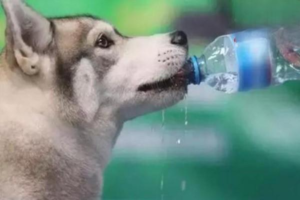
Can a Dog Get Heatstroke at Home in Summer Without Going Out?
Can a dog get heatstroke at home in summer without going out? Even without a walk, high indoor temperatures can cause heatstroke. Watch the temperature and act fast if it happens. Our team explains treatment.

How to Keep Your Guinea Pig Warm During Seasonal Changes
Guinea pigs are comfortable at 20-28°C; below 20°C they need warming. Seasonal swings bring sudden cold snaps, so keep them indoors, block drafts with towels or boxes, raise the cage off the cold floor, and use heating pads or blankets if it gets colder.

Things to Know About Keeping Parrot Fish
Parrot fish are striking, but without careful keeping they fade, lose their shine, or fall ill. Cover six basics: clean water, stable warmth, the right feeding, a quiet spot, some light, and plenty of oxygen.

Turtle Cold: Symptoms and Treatment
Turtle colds show as dull eyes, weeping eyes, runny nose, lethargy and white material at the mouth; severe cases develop pneumonia (crusted nostrils, wheezing). Treat by severity — isolation and warmth for mild, antibiotic (gentamicin/oxytetracycline) baths for moderate, and amoxicillin by weight for severe — keeping the enclosure at 30–32°C.

What Affects a Parrot’s Breeding Condition?
Breeding condition is driven by light, diet changes, petting, and a dark nest site. To trigger it: give sun plus a dark box; to suppress it: shorten light, add toys, cut rich food, avoid showers and private-area petting, and remove nest material.

Common Questions About Turtle Colds
Turtle colds are treated early with antivirals, vitamins and rest; mild cases can self-heal but severe ones need medication. Symptoms include weeping eyes, runny nose, bubbles at the nose and lethargy, and may become pneumonia with open-mouth breathing. Prevent by good water quality, stable temperature and isolation.