Search Results
364 results for “indoor cat”
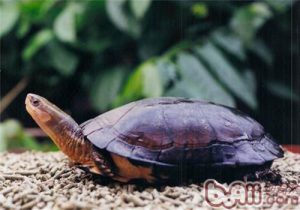
Zhou’s Box Turtle
Zhou's Box Turtle (Cuora zhoui) is a rare and precious turtle in China, found only in Guangxi and Yunnan provinces. Wild populations are nearly depleted, and most knowledge about the species comes from captive husbandry experience.
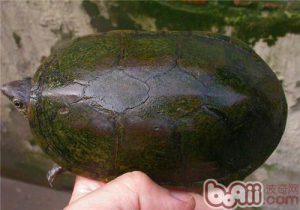
Oaxaca Mud Turtle
The Oaxaca Mud Turtle (Kinosternon oaxacae) is a type of mud turtle that aestivates in summer, burying itself in mud to cool down—hence its name. Living in slow-moving rivers, it hunts fish and shrimp in the water and is an omnivore that leans carnivorous.

Travancore Tortoise
The Travancore Tortoise (Indotestudo travancorica) closely resembles the Burmese Star Tortoise in appearance and shares its preference for a dry habitat. Though sometimes considered a subspecies of the Burmese tortoise, this has never been confirmed; it is a shy, inactive tortoise suited to simple husbandry.

FlemishGiant
The Flemish Giant is the largest domesticated rabbit breed in the world, originally from Belgium and recognized by the American Rabbit Breeders Association in seven coat colors. A gentle, docile, and hearty-eater companion that needs generous space and meticulous hygiene, it weighs 6–13 kg and lives around 5–8 years.

Canine and Feline Estrogen Deficiency
Estrogen deficiency most often follows spaying or ovarian disease and weakens the urethral sphincter, causing incontinence and frequent small urinations. It is managed with hormone therapy and supportive care.

Canine and Feline Insulin Deficiency (Diabetes Mellitus)
Diabetes mellitus develops when the pancreas cannot make enough insulin, so blood sugar stays high. It causes increased thirst and urination, weight loss, and poor appetite, and is managed with insulin therapy plus dietary and weight control.

Canine and Feline Caval Syndrome (Heartworm): Symptoms, Treatment, and Prevention
Caval syndrome is the acute, life-threatening form of heartworm disease in which adult worms suddenly obstruct the vena cava and heart, causing sudden collapse, bloody urine, and jaundice. Emergency surgical removal of the worms is the definitive treatment, and prevention depends on year-round parasite control.

Canine and Feline Toxoplasmosis: Symptoms, Treatment, and Prevention
Toxoplasmosis is caused by Toxoplasma gondii, with cats as the definitive host; dogs and cats are often silently infected but can develop respiratory and nervous signs. It is treated with sulfonamide-based anticoccidial therapy.

Feline Immunodeficiency Virus (FIV): Symptoms, Treatment, and Prevention
Feline Immunodeficiency Virus (FIV), often called 'feline AIDS,' is a chronic retroviral infection of cats first identified in 1987. It weakens the immune system so cats become vulnerable to secondary infections. Unlike human HIV, FIV is not sexually transmitted; it spreads mainly through bite wounds and shared saliva, and infected cats often live a normal lifespan. The virus does not infect humans.
How to Train a Puppy to Potty?
Potty training takes patience. Pick a fixed spot, use newspaper or pee pads scented with the puppy's urine, and take it there right after waking, eating, or drinking. Reward success and stay consistent with timing.