Search Results
350 results for “indoor cat”
How can an indoor cat that never goes out get feline panleukopenia?
An indoor cat can still catch panleukopenia through indirect contact - owners may bring the virus home on clothes or shoes after touching infected cats. Symptoms include lethargy, appetite loss, fever, vomiting, and diarrhea, and vet care is urgent.
Are indoor cats prone to feline infectious peritonitis (FIP)?
Indoor cats can still get FIP, which arises from mutation of an internally carried coronavirus rather than outdoor exposure. Stress that lowers immunity is the bigger trigger for mutation.
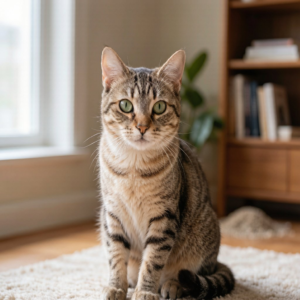
Why Indoor Cats Can Still Get Parasites
Many owners assume an indoor cat cannot catch parasites, but that is not true. Parasite eggs can ride home on your shoes and clothes, and mosquitoes, cockroaches, raw meat, or household plants can all introduce infection. Some parasites are zoonotic and can spread from cat to owner, so regular deworming matters regardless of lifestyle. Internal parasites such as roundworms, hookworms, tapeworms, and heartworms, and external ones like fleas, lice, ticks, and mites are most common in spring and summer; nematodes and toxoplasma can also pass to people. Deworming is straightforward: oral medication every three months, or more often for raw-fed cats, plus topical drops applied to the skin at the back of the neck. Always follow the dose by weight, since these drugs are toxic in excess.

Can an Indoor Cat Still Get Feline Panleukopenia?
Even strictly indoor cats can catch panleukopenia, because owners may carry the virus home on shoes and clothing. Regular vaccination is the only reliable protection. Early signs include lethargy, poor appetite, and soft stools.

Can an Indoor Cat That Never Meets Other Cats Still Get Fleas?
An indoor-only cat can still get fleas, because owners may carry flea eggs home on shoes and clothing from the outside world. Watch for itching and hair loss, treat the cat and the home together, and keep up regular preventive deworming.

Can an Indoor Cat Still Get Fleas?
Yes—fleas can reach an indoor cat through a contaminated home or other animals, and owners can carry flea eggs in on shoes and clothes. Prevent with regular deworming and a clean environment; treat infestations with a medicated bath plus thorough home cleaning.
Cat Pooped Indoors Then Chased Its Tail; Is It Okay?
Tail-chasing after pooping is often excited relief from vagus-nerve stimulation, or an itchy unfinished job; if no other signs, it is fine.
What happens if a cat is kept indoors?
Keeping a cat indoors limits its space and freedom; a too-narrow space harms activity and growth. Long-term caging also degrades hunting ability, leaving it unable to survive if abandoned. Though solitary, cats need some socialization or may become depressed.
How long can an indoor pet cat live?
Indoor cats typically live 12 to 17 years, and some exceed 20. Lifespan is affected by diet, environment, constitution, and breed; Chinese rural cats tend to live longer. Good care, vaccinations, deworming, varied diet, and exercise help a cat live longer.

Do Cats Get Bored Staying Indoors?
Indoor cats are usually content at home and don't need walks, but they can grow bored or stressed when an owner rarely interacts with them. Preventing this means offering enough space and toys for self-play plus daily one-on-one time for play and affection. A dedicated quiet retreat and simple food-finding games add valuable mental stimulation.