Search Results
904 results for “illness sign”
Is a parrot afraid of cats? Does it need warmth? Why does it breathe through its mouth? Does it need a nest? Does it sleep standing? What if it bites? Why does its head drop when flying?
Answers: parrots fear cats, so keep cats away to avoid stress; they feel cold, so warm them in low temperatures; mouth breathing is from a stuffy nose due to cold or heat relief; they need a breeding box only when breeding, otherwise a cage; they usually sleep standing; biting is from fear, so let them adjust and build trust; a head drop in flight may be a bump causing brief daze, keep watching and see a vet if other signs appear.
For a dog in mid-to-late distemper with low fever, weakness, and mild seizures, what are its chances of survival?
Distemper is a severe viral disease with low cure rate and strong contagion. In mid-to-late or late stage the cure rate is low, around 20 percent. With neurologic signs such as seizures, it is likely mid-to-late stage, and without strong medical support the dog may not last long, though good appetite and active treatment offer a slim hope, often with lifelong aftereffects.
What happens as a cat gets old?
A cat's lifespan is generally 12 to 20 years, and in old age it typically shows increased sleep, reduced appetite, slowed reactions, stiff joints, and dull coat. Senior cats are prone to eye diseases like cataracts and glaucoma, hearing loss, and chronic illnesses such as heart disease, diabetes, and fatty liver.
How can I tell if a puppy is healthy?
Check its appearance—dry coat, hair loss, red eyes, dry nose, or bad breath signal trouble. Also judge by energy and by stool; diarrhea, constipation, or frequent urination suggest illness.

Why Is My Cat Not Eating and What Should I Do?
A cat that won't eat may have respiratory, digestive, or dental disease, a foreign body, or simply dislike the food — stale kibble, sudden changes, or boring shape. Long fasting risks fatal hepatic lipidosis, so fix the cause: clear the nose, vary the diet, and see a vet for illness.

Why Is My Parrot Shivering, and What to Do
A shivering parrot may be chilled, frightened, or parasite-itchy. Warm it above 10 C (at least 5 C), keep the temperature steady, and quiet a scared bird. Mild cases with normal appetite can be watched; severe signs need a vet.

Why Won’t a Kitten Stop Meowing?
A kitten meows to signal fear, hunger, discomfort, or illness. Young kittens are fragile and hide little, so read the signal early: warm and soothe a scared one, feed an unweaned one, and check the body when crying starts suddenly.

Fluffed vs Puffed: Telling Parrot Feather States Apart
Fluffed and puffed look alike but differ in cause and signs. Compare the head, breathing, and droppings: fluffed means likely illness, puffed is often normal behavior. Respond to the real cause.

Why Does My Dog Vomit Right After Eating?
A dog that throws up right after a meal may have eaten too fast, picked up parasites, developed enteritis, or swallowed a foreign object. Match the sign to the cause, and see a vet for blockage or illness.
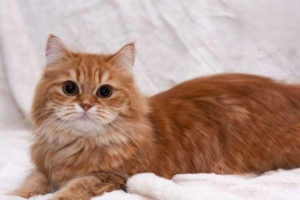
Why Does My Cat Twitch in Its Sleep?
Most sleep twitching is just dreaming and harmless, but constant twitching can mean cold, parasites, or muscle spasm. Read the pattern before you act, and wake the cat if it goes on.