Search Results
904 results for “illness sign”
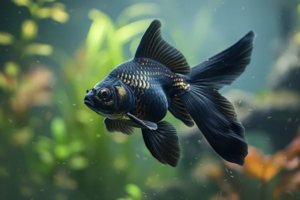
Common Reasons an Arowana Stops Eating
An arowana may refuse food because it is stressed by a new environment, the water has gone bad, the diet is too monotonous, it has a cold, it has internal parasites, or it has enteritis. Pinpoint the exact cause—stable water, a short fast, then targeted treatment—before resuming feeding.

Why Won’t My Parrot Eat?
A parrot may refuse food for many reasons - illness, fright, a full belly, poor digestion, a sudden diet change, loneliness, or weaning. Read the signs before giving any medicine, since the wrong drug can do more harm.
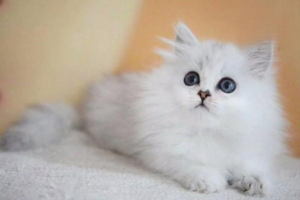
Why Is Your Cat Suddenly Peeing or Pooping Outside the Litter Box?
A cat that suddenly stops using the litter box is sending a signal, about a dirty or poorly placed box, new litter it dislikes, hormones, a health problem, or jealousy of a new pet. Rule out pain or illness first, since urinary issues need a vet.
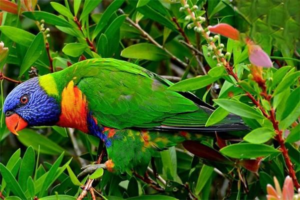
Why Is My Parrot Regurgitating Food?
Parrot regurgitation usually means one of three things: it ate too much, it has gastroenteritis, or it is breeding. Tell them apart by what comes up and how the bird acts.

Common Turtle Diseases and How to Treat Them
Turtles can fall ill with white eye disease, skin rot, shell rot, digestive trouble, or pneumonia, often from dirty water, crowding, or temperature swings. Most are preventable with clean, stable, warm water and prompt treatment.

What Are the Most Common Turtle Diseases?
Turtles are hardy, but they still get sick, especially with poor water and feeding. The most common illnesses are colds, enteritis, mycosis, and soft-shell disease, each with distinct signs and treatments ranging from antibiotics to diet fixes.

Why Is Your Dog Ignoring You?
A dog that ignores its owner may be in a bad mood, pregnant, ill, or simply sensitive by nature. Watch for low energy, hiding, or other signs of sickness - if the dog seems unwell, see a vet. For mood or personality issues, rebuild trust with play, treats, and attention.
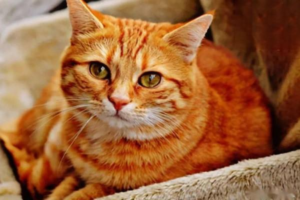
What to Do When Your Cat Is Stressed in a New Environment
Cats feel insecure and are highly sensitive to changes around them. Moving to a new home or a new owner can trigger stress. Learn how to recognize the signs and help your cat settle in calmly.

Common Questions About Turtle Colds
Turtle colds are treated early with antivirals, vitamins and rest; mild cases can self-heal but severe ones need medication. Symptoms include weeping eyes, runny nose, bubbles at the nose and lethargy, and may become pneumonia with open-mouth breathing. Prevent by good water quality, stable temperature and isolation.
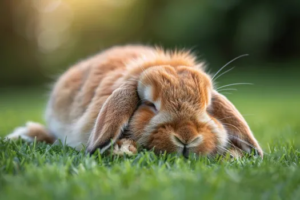
Why Does My Rabbit Have Cold Ears and No Appetite?
Cold ears in a rabbit usually mean its body temperature has dropped and it feels chilly — warm it up with a blanket and keep its environment at 18–24°C. If the ears are cold together with loss of appetite, an illness such as rabbit hemorrhagic disease, a cold or a serious condition may be lowering its temperature; watch for lethargy, sneezing, discharge or diarrhea and see a vet promptly.