Search Results
902 results for “illness sign”

Feline Depression: Symptoms and How to Help Your Cat Recover
Cats can develop depression when they receive too little attention, face a sudden change in environment, or are naturally sensitive and insecure. Telltale signs include loss of appetite, weight loss, excessive shedding, lethargy, and hormone imbalances, and while medication only masks the symptoms, regular companionship and play are what actually help a cat recover.

What to Feed a Sick Dog That Won’t Eat
A sick dog's lost appetite is normal, especially with gut pain, a cold, or sniffles, but the right nudge depends on the cause — warm aromatic food for congestion, brief fasting for vomiting, and tasty canned food during recovery. If it eats nothing for over two days, see a vet.

Must-Know Tips for Keeping a Pet Rabbit
Many people adopt a rabbit for its looks but know little about care. Learn what, when, and how to feed (yes, rabbits need water—just not too much, and never wet greens), keep up with check-ups, deworming, and vaccines, and spend time interacting daily so the rabbit stays social and doesn't get depressed.

Why Do Dogs Bark So Much?
Dogs bark to signal loneliness, territorial defense, separation anxiety, play, or discomfort. Curb it with calm 'quiet' commands and rewards, gradual alone-time training, and by meeting its needs before you leave — but rule out pain if the barking is sudden.

Why Cats Twitch in Their Sleep
A cat twitching in its sleep is often just dreaming or a digesting-spasm, but chills, muscle issues, or hidden illness can also cause it. Feed small regular meals, keep it warm, and see a vet if twitching is frequent or unexplained.

Medications for Treating a Cat’s Cold
Cat colds are usually treated with pet-specific antibiotics such as amoxicillin-clavulanate, doxycycline, or enrofloxacin, given strictly by weight. Keep a mildly affected cat warm and observe it at home, but see a vet if symptoms last beyond 3–5 days or a viral infection (calicivirus or herpesvirus) is suspected.
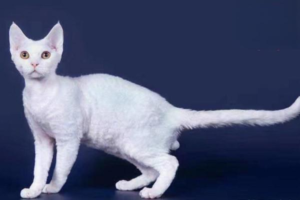
Cold Symptoms and Fever in Sphynx (Hairless) Cats
Sphynx (hairless) cats lack a fur coat and lose heat far more easily, so they catch colds more readily than other breeds. Mild cases with a low fever under 39.5°C can often recover at home with warmth and supportive care, but a cat that won't eat, grows weak, or fails to improve needs prompt veterinary attention.

Telling a Cat Cold Apart from Feline Panleukopenia (Distemper)
A simple cat cold brings sneezing, runny nose, and a mild fever that often resolves in a few days. Feline panleukopenia (distemper) is far more dangerous: a high fever of 40–41°C, repeated vomiting of yellow bile, and bloody, foul-smelling diarrhea. Any sudden high fever should be treated as an emergency and checked by a vet immediately.

What to Do If a Dog Keeps Vomiting After a Cold
A dog that vomits with a cold — dry heaves or clear mucus plus cough, runny nose, and sneezing — usually just needs warmth, pet cold medicine, probiotics, and broth. But unstoppable vomiting can signal viral disease, gastroenteritis, or parvovirus and needs immediate veterinary care.

What the Symptoms of Puppy Vomiting Look Like
Vomit content tells the story: undigested food after a fast gobble is normal reflux, yellow bile means a short fast, but green or coffee-colored vomit signals bile or stomach bleeding and needs a vet. Add fever, blood, or lethargy and it may be distemper — get help fast.